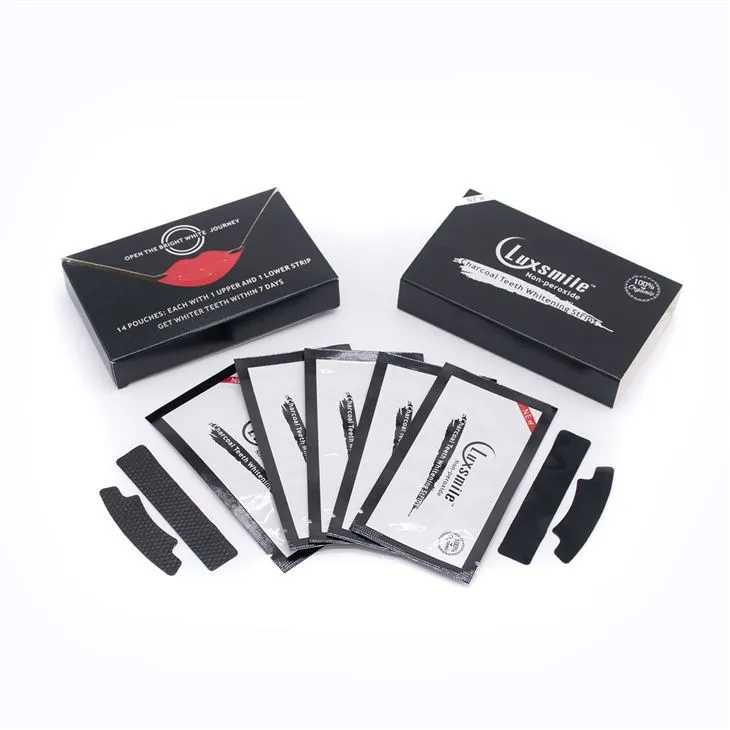
Expired Whitening Strips Top 5 Shocking Truths
Teeth whitening strips are a popular choice for achieving a brighter smile. These convenient strips, containing peroxide-based bleaching agents, promise to lift stains and enhance the appearance of your teeth. However, what happens when those strips pass their expiration date? Many users overlook this detail, potentially exposing themselves to risks they may not be aware of. This article unveils five shocking truths about using expired whitening strips, highlighting the potential dangers and providing valuable insights to protect your oral health. Understanding the consequences of using expired products is crucial for maintaining a healthy and radiant smile.
What Happens When Whitening Strips Expire
The efficacy and safety of teeth whitening strips diminish after their expiration date. The active ingredients, primarily hydrogen peroxide or carbamide peroxide, gradually break down over time. This degradation process affects the product’s ability to effectively whiten teeth, potentially leading to unsatisfactory results or even increased risks. Using expired strips is not just about wasted money; it’s about compromising both the effectiveness and safety of your teeth-whitening routine. The following sections delve into the specific consequences of this, providing a comprehensive overview of what to expect when using expired whitening strips.
Reduced Effectiveness

The primary function of teeth whitening strips is to deliver bleaching agents to the tooth surface. When these strips expire, the active ingredients lose potency. Hydrogen peroxide, the main bleaching agent, degrades into water and oxygen, diminishing its whitening capabilities. This degradation results in a less effective product, meaning your efforts to whiten your teeth may not yield the desired results. You could apply the strips as directed, but the chemical reaction necessary for whitening is significantly weakened. This reduces their capacity to break down the stain molecules, leaving your teeth looking the same or only marginally lighter. Image_expired-whitening-strips-effectiveness.webp
Potential for Irritation
Expired whitening strips can pose a risk of causing irritation to the gums and soft tissues of the mouth. As the active ingredients break down, they may form by-products that are more irritating. Moreover, the strip’s adhesive can degrade, making it harder to remove and potentially causing trauma to the gums. This can lead to inflammation, redness, and discomfort. Individuals with sensitive gums are particularly vulnerable to these effects. The chemical changes within the expired product can also alter its pH balance, making it more acidic and therefore more likely to irritate delicate oral tissues. Image_expired-whitening-strips-irritation.webp
Risk of Bacterial Contamination
The packaging of whitening strips, though sealed, isn’t impenetrable. Over time, or if the packaging is compromised, expired strips can be susceptible to bacterial contamination. The presence of moisture, combined with a lack of preservatives in expired products, creates a favorable environment for microbial growth. Using contaminated strips can introduce harmful bacteria into the mouth, potentially causing infections or exacerbating existing oral health problems. This risk is amplified if the strips are stored improperly, such as in a humid environment or where they are exposed to contaminants. The health of your teeth and gums can be greatly impacted by this hidden risk.
Changes in Chemical Composition

The chemical composition of whitening strips changes over time, particularly after the expiration date. The active ingredients undergo degradation, and the supporting materials, such as the adhesive and the strip itself, may also break down. These changes can affect the safety and effectiveness of the product. The altered chemical composition could release new compounds that are not intended for oral use, and this increases the possibility of an adverse reaction. The degradation can also affect the strip’s ability to adhere to teeth, reducing its effectiveness and potentially causing discomfort during application. Image_expired-whitening-strips-chemical-composition.webp
Overall Impact on Results
The cumulative effect of using expired whitening strips is a significant compromise in the desired results. The reduced effectiveness, potential for irritation, and other adverse effects work together to undermine the teeth-whitening process. You may not see the noticeable brightening of your teeth that you expect, or you might experience adverse reactions without any whitening benefit. This impacts both the cosmetic outcome and the overall health of the oral cavity. The best-case scenario is wasted money and time, while the worst-case scenario involves health complications. The overall impact is a disappointment and potential health risk.
The Shelf Life of Whitening Strips
Understanding the shelf life of whitening strips is essential for safe and effective use. The shelf life is the period during which the product is expected to retain its effectiveness and safety when stored under the recommended conditions. It is determined by the manufacturer based on the stability of the active ingredients and the integrity of the packaging. Knowing the shelf life helps you make informed decisions about using these products. It ensures that the product you are using is still at its optimal performance level, delivering the desired outcomes without causing harm. Image_expired-whitening-strips-overview.webp
Factors Affecting Shelf Life

Several factors influence the shelf life of teeth whitening strips. Proper storage is a key factor; exposing the strips to excessive heat, humidity, or direct sunlight can accelerate the degradation of the active ingredients. The packaging integrity also plays a crucial role; any damage can compromise the product’s sterility and stability. The formulation of the whitening strips also matters, as different ingredients have varying stability levels. Following the manufacturer’s storage instructions is essential to maintain the product’s effectiveness and safety. Incorrect handling and environmental conditions can significantly reduce the product’s shelf life and its whitening efficacy.
Proper Storage Techniques
To maximize the shelf life and effectiveness of teeth whitening strips, proper storage techniques are critical. Store the strips in a cool, dry place, away from direct sunlight and heat sources. Avoid storing them in bathrooms, where humidity levels are high. Ensure the packaging is always sealed tightly to prevent exposure to air and moisture. Following these simple steps can help maintain the integrity of the active ingredients and prolong the product’s usability. Correct storage ensures that the strips remain safe and effective, providing the desired teeth-whitening results. Image_expired-whitening-strips-storage.webp
Identifying Expired Whitening Strips
Identifying expired whitening strips is a crucial step in protecting your oral health. Recognizing the signs of expiration helps you avoid potential risks and ensures that you are using a product that is still effective. Regularly inspecting the strips and understanding the indicators of degradation are key to making informed choices about your teeth-whitening routine. Being vigilant and proactive can save you from unexpected health problems and guarantee satisfactory results. Several methods, including visual checks and examining the expiration date, should be used to determine the condition of the strips.
Visual Inspection

A visual inspection is the first step in assessing whether whitening strips have expired. Examine the packaging for any signs of damage, such as tears, punctures, or discoloration. These signs could indicate that the product has been exposed to air or moisture, reducing its effectiveness. Open the package and check the strips themselves. Look for changes in color, texture, or consistency. Any unusual appearance could indicate degradation. Discard the strips if you notice any visible irregularities, as these could be signs of a compromised product and potentially lead to a less effective treatment or an increase in the likelihood of side effects. Image_expired-whitening-strips-inspection.webp
Checking the Expiration Date
The most straightforward way to determine if your whitening strips are expired is to check the expiration date printed on the packaging. This date is a clear indication of the product’s usability. If the date has passed, the strips should be discarded. The expiration date reflects the manufacturer’s guarantee that the product will remain effective and safe under the recommended storage conditions. Always prioritize checking the expiration date before use to protect your oral health and ensure effective results. It is a straightforward step that can prevent potential problems. Regularly looking at the date can save you a lot of troubles.
Changes in Texture or Consistency
Changes in the texture or consistency of whitening strips are clear indicators of expiration. The strips might become dry, brittle, or discolored. The adhesive could lose its stickiness, making it difficult for the strip to adhere to the teeth. Any alteration in the strip’s physical characteristics suggests that the active ingredients have degraded or that the supporting materials have broken down. These changes can affect both the product’s performance and safety. Always discard strips if you observe any modifications in their texture or consistency. These variations indicate that the product is no longer suitable for use and could pose risks.
Risks of Using Expired Strips

Using expired whitening strips can lead to several potential health risks. The degraded active ingredients might not effectively whiten teeth, leading to disappointing results and wasted effort. The risks extend beyond ineffectiveness, with the potential for irritation of the gums and the teeth. Changes in the chemical composition can release compounds that can harm the mouth. It is essential to understand the possible dangers associated with using expired products. This helps in making informed decisions about your oral care routine, prioritizing your health and ensuring the best possible outcomes for teeth whitening. Image_expired-whitening-strips-oral-health.webp
Oral Health Implications
Using expired whitening strips can have several oral health implications. The degradation of the active ingredients might result in an imbalanced pH level in the mouth, potentially increasing the risk of tooth sensitivity and gum irritation. There is also a higher chance of bacterial contamination, leading to infections or inflammation. These risks underline the importance of not using expired products, as they can directly compromise your oral health. Protecting the health of your teeth and gums requires being aware of the dangers and avoiding actions that can lead to damage or discomfort.
Cosmetic Concerns
Besides health risks, expired whitening strips can also cause cosmetic concerns. The most obvious issue is that the strips may not effectively whiten your teeth, leading to a lack of desired results. This can be disappointing if you’re trying to improve your smile’s appearance. Additionally, changes in the strip’s texture or adhesive could make it difficult to apply, leading to uneven whitening or staining. Expired strips could even cause temporary or prolonged discoloration. The primary aim of using teeth whitening strips is to improve your smile. Using expired products can lead to cosmetic dissatisfaction. Image_expired-whitening-strips-alternatives.webp
Alternatives to Expired Strips

When you discover that your whitening strips have expired, it’s essential to look for safe and effective alternatives. Fortunately, several options are available to help you achieve a brighter smile without risking your oral health. These choices will ensure that you maintain the health of your teeth. Explore your options carefully and select a method that aligns with your preferences, and make sure to consult a dental professional for personalized advice. This can help you to make the right choices. Image_expired-whitening-strips-alternatives.webp
- Professional Teeth Whitening: The most reliable method is to consult a dentist for professional teeth whitening. This provides controlled and effective whitening treatments, reducing risks and yielding the best results.
- Over-the-Counter Whitening Products: Choose from a variety of over-the-counter products like whitening toothpastes, gels, and mouthwashes. These can help maintain the brightness of your teeth, but use them according to instructions.
- Good Oral Hygiene: Practicing good oral hygiene is always crucial. Brush your teeth twice daily, floss regularly, and schedule regular dental check-ups to maintain your oral health. Proper hygiene can help prevent stains.
Safe Disposal of Expired Strips
Proper disposal of expired whitening strips is crucial to avoid environmental contamination and prevent any accidental use. The disposal process involves a few simple steps that ensure safety. By following these guidelines, you can help protect the environment and prevent the accidental ingestion of expired products. Doing it correctly protects both your health and the environment. Image_expired-whitening-strips-disposal.webp
- Check Local Regulations: Before you dispose of any product, confirm with your local regulations on the disposal of cosmetic products. Some areas may have specific guidelines that must be followed.
- Seal the Strips: Seal the expired strips in a tightly closed bag to prevent any leakage or exposure. This step helps contain any potential contaminants.
- Dispose of the Waste: Place the sealed bag in the household trash, where it will be handled safely by waste management services. Avoid recycling these products, as they are not designed for recycling.
- Wash Hands: After handling expired whitening strips, wash your hands thoroughly with soap and water. This prevents any potential exposure to chemicals.