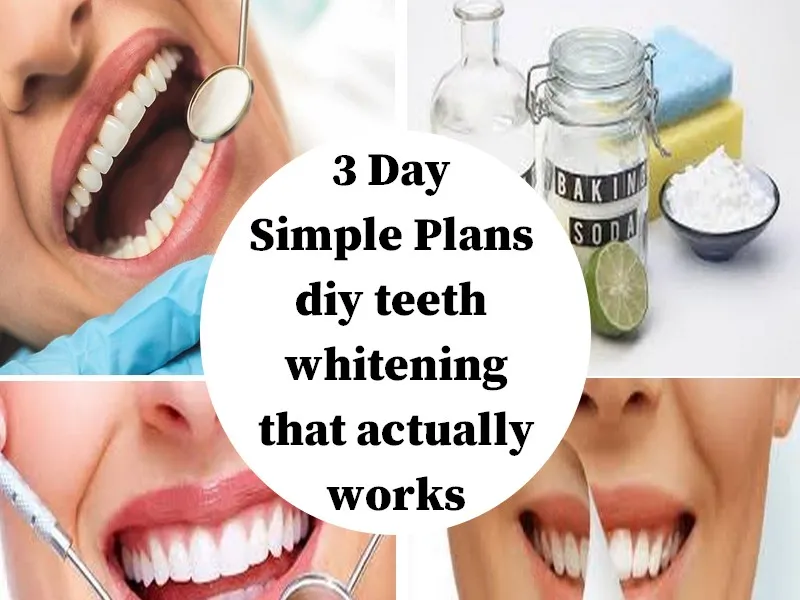
What is DIY Teeth Whitening
DIY teeth whitening refers to the practice of using readily available household ingredients and methods to brighten the color of your teeth. This approach contrasts with professional teeth whitening treatments administered by dentists, offering a potentially more affordable and accessible alternative. The popularity of DIY methods has surged, driven by the desire for a more radiant smile and the convenience of achieving it at home. However, it is essential to approach these methods with caution, understanding their potential effectiveness and any associated risks to ensure both the desired outcome and oral health are preserved. This guide will explore several common DIY techniques, explaining how they work, the best practices for their application, and the important considerations regarding safety and efficacy.
Understanding Teeth Stains
Before diving into DIY teeth whitening, it’s crucial to understand the nature of teeth stains. Teeth discoloration can stem from various sources, making it vital to identify the cause to choose the most effective whitening method. External factors, like the consumption of staining foods and beverages such as coffee, tea, red wine, and berries, contribute significantly to surface stains. These pigments accumulate on the enamel, the outermost layer of the tooth. Additionally, lifestyle choices, especially smoking, can exacerbate this process, leading to a yellow or brown hue. Proper oral hygiene practices, including regular brushing and flossing, can help remove these surface stains before they become deeply embedded.
Surface Stains vs. Intrinsic Stains

Teeth stains are broadly categorized into two types surface stains and intrinsic stains. Surface stains, or extrinsic stains, affect the enamel’s outer layer and are typically easier to remove with DIY methods or professional cleaning. These stains are caused by pigmented molecules that adhere to the tooth’s surface. In contrast, intrinsic stains originate from within the tooth’s structure, affecting the dentin, the tissue beneath the enamel. Intrinsic stains can result from factors such as aging, genetics, certain medications (like tetracycline), or trauma to the tooth. Because they are embedded deeper within the tooth, intrinsic stains often require more intensive whitening treatments and may not always respond as effectively to DIY methods. Understanding the type of stain helps in setting realistic expectations for DIY teeth whitening results.
DIY Teeth Whitening Methods
Several DIY teeth whitening methods have gained popularity, leveraging common household items for their purported whitening effects. The efficacy of these methods varies, and it’s crucial to approach them with a balanced understanding of potential benefits and risks. Some methods, like using baking soda and hydrogen peroxide, focus on abrasive action and oxidation to remove surface stains. Others, such as coconut oil pulling, claim to reduce plaque and bacteria, which indirectly contribute to whiter teeth. When considering these methods, it is important to prioritize safety and moderation, as overuse or improper application can lead to tooth sensitivity or enamel damage. Consulting with a dentist is always recommended before trying any new teeth whitening approach, especially if you have existing dental issues or sensitivities.
Whitening with Baking Soda and Hydrogen Peroxide
Baking soda and hydrogen peroxide are frequently cited as effective DIY teeth whitening agents. Baking soda, a mild abrasive, helps to scrub away surface stains, while hydrogen peroxide acts as a bleaching agent to lighten the tooth’s color. The combined effect can lead to noticeable whitening, particularly for surface stains caused by food and drink. However, the abrasive nature of baking soda can potentially damage the enamel if used excessively or with too much pressure. Hydrogen peroxide, when used in higher concentrations, can also irritate the gums. Proper application, including using a diluted solution and gentle brushing, is essential to mitigate these risks. Results can vary depending on the individual and the severity of the stains; consistency is key to achieving noticeable results.
How to Make and Use Baking Soda Paste

To create a baking soda paste, mix a small amount of baking soda (about one teaspoon) with hydrogen peroxide (enough to form a paste). Gently brush your teeth with the paste for about two minutes, using a soft-bristled toothbrush. Rinse your mouth thoroughly with water. It’s recommended to use this mixture no more than once or twice a week to avoid enamel erosion. When using this method, it’s important to be careful not to scrub too hard, as this can damage your teeth. Be mindful of any increase in tooth sensitivity, and discontinue use if you experience significant discomfort. Regularly monitor the condition of your teeth and gums, and consult your dentist if you have any concerns or if you are unsure whether this method is suitable for your specific oral health condition.
Whitening with Coconut Oil Pulling
Coconut oil pulling is an ancient Ayurvedic practice that involves swishing coconut oil in your mouth for a prolonged period. Proponents claim that this method removes bacteria and toxins from the mouth, potentially improving oral health and whitening teeth. Although scientific evidence supporting its teeth-whitening properties is limited, anecdotal reports suggest that coconut oil pulling can help remove surface stains and freshen breath. The process is relatively gentle and poses fewer risks than some other DIY methods, but it’s not a replacement for regular brushing and flossing. It is essential to maintain proper oral hygiene alongside oil pulling to achieve the best results. Always remember that individual results may vary, and the effectiveness of coconut oil pulling can differ from person to person.
Coconut Oil Pulling Procedure
To perform coconut oil pulling, take one to two tablespoons of coconut oil (solid form is fine) and swish it around in your mouth for 15–20 minutes. Ensure that the oil reaches all areas of your mouth, between your teeth, and around your gums. After swishing, spit the oil into a trash can to avoid clogging your sink, and rinse your mouth thoroughly with water. Then, brush your teeth as usual. It is best to do oil pulling on an empty stomach, such as in the morning before breakfast. While the practice is generally considered safe, some individuals may experience mild jaw fatigue or nausea. Discontinue use if you experience any adverse effects, and consult with a dental professional if you have specific concerns. Remember that coconut oil pulling is not a replacement for regular dental check-ups.
Whitening with Lemon Juice

Lemon juice is another DIY teeth whitening option, owing to its high acidity. The citric acid in lemon juice can help to remove surface stains. However, due to its high acidity, lemon juice poses significant risks to enamel health. Frequent or prolonged exposure to lemon juice can erode the enamel, making teeth more susceptible to decay and sensitivity. This method should be approached with extreme caution. The abrasive nature of lemon juice, when combined with brushing, can further damage the teeth. If you choose to use lemon juice, do so very sparingly and only in conjunction with other protective measures, such as brushing your teeth immediately after using it to remove any residual acid.
Risks of Using Lemon Juice
The primary risk of using lemon juice for teeth whitening is enamel erosion. Over time, this erosion can lead to increased tooth sensitivity, increased risk of cavities, and discoloration. Furthermore, lemon juice can irritate the gums and soft tissues in the mouth. If you notice increased sensitivity or any discomfort, discontinue use immediately. In addition to the acid content, lemon juice’s lack of fluoride, which is essential for strengthening enamel, exacerbates the risks. Always prioritize dental health by consulting a dentist before trying any method that involves acids. It is always better to opt for safer alternatives or professional treatments to protect your teeth and gums.
Whitening with Activated Charcoal
Activated charcoal is a form of carbon that has been treated to increase its porosity, allowing it to trap and remove impurities. In teeth whitening, activated charcoal is believed to absorb stains and leave teeth looking brighter. While some users report positive results, the scientific evidence supporting its effectiveness is limited. The primary mechanism of action is abrasion, meaning activated charcoal removes surface stains through scrubbing. Therefore, it’s important to use activated charcoal with caution, as excessive abrasion can damage enamel. Like baking soda, activated charcoal is abrasive and can potentially cause tooth sensitivity and enamel erosion if used incorrectly or too frequently. The abrasive nature is what enables it to remove surface stains, but it is essential to balance this effect with the risks to your teeth.
Activated Charcoal Usage

To use activated charcoal, wet your toothbrush and dip it into the charcoal powder. Gently brush your teeth for about two minutes, paying attention to all surfaces. Rinse thoroughly with water and brush again with regular toothpaste to remove any remaining charcoal particles. Some users also mix activated charcoal with water to form a paste, applying it to their teeth for a few minutes before brushing. It is recommended to use activated charcoal no more than a few times a week to minimize the risk of enamel damage. Monitor for any signs of increased sensitivity or gum irritation, and discontinue use if necessary. It is advisable to consult a dentist before using activated charcoal, especially if you have sensitive teeth or existing dental problems. When used correctly, it may help remove surface stains. However, its effectiveness can vary.
Whitening with Apple Cider Vinegar
Apple cider vinegar (ACV) is sometimes suggested as a DIY teeth whitening option. The acidic properties of ACV can potentially remove surface stains. However, using ACV for teeth whitening poses risks similar to those associated with lemon juice. Its high acidity can erode enamel over time, leading to increased tooth sensitivity and increased susceptibility to cavities. The abrasive action can also contribute to enamel damage. Because of these significant risks, it’s important to approach using ACV for teeth whitening with caution. The effectiveness is not well-established, and the potential for dental harm outweighs any benefits, it is essential to prioritize the health of your enamel. Regularly consulting with a dentist and following their advice is crucial for maintaining optimal oral health.
Apple Cider Vinegar Precautions
If you choose to experiment with ACV, dilute it significantly with water before use. The dilution is important to minimize the contact time with your teeth. After brushing your teeth with ACV, it is crucial to rinse your mouth thoroughly with water. To reduce the risk of enamel erosion, brush your teeth with fluoride toothpaste immediately after using ACV. Limit the frequency of use, and monitor your teeth for any changes, such as increased sensitivity or discoloration. If you experience any adverse effects, discontinue use immediately. A dentist should be consulted before starting any home treatments. They can provide personalized advice based on your oral health conditions.
Other DIY Teeth Whitening Options

Beyond the more common methods, other DIY approaches have been explored. These range from specialized toothpaste formulations to the use of over-the-counter whitening strips, offering additional paths toward achieving a brighter smile. When considering these alternatives, it’s essential to thoroughly research and weigh potential benefits against potential risks. The safety and effectiveness of each method can vary significantly, underscoring the importance of making informed decisions. Consulting with a dental professional remains critical, as they can provide guidance specific to your oral health needs and help you navigate the complexities of home teeth whitening effectively. This ensures you select methods that are both effective and safe for your individual circumstances.
DIY Whitening Toothpaste Recipe
You can create your own whitening toothpaste using ingredients such as baking soda, hydrogen peroxide, and essential oils. Some recipes incorporate ingredients like activated charcoal or turmeric, though the effectiveness and safety of these additions are still debated. When making your own toothpaste, pay attention to the consistency and avoid using abrasive ingredients in excessive amounts. It’s crucial to use a fluoride toothpaste following any DIY whitening attempts, as fluoride is essential to protect enamel. Furthermore, be aware that the effectiveness of homemade toothpaste may vary, and the results might not be as dramatic as those achieved with professional treatments. Always research the ingredients before combining them.
Using Whitening Strips at Home
Whitening strips are a popular over-the-counter teeth whitening option that can be used at home. These strips contain a thin layer of a bleaching agent, typically hydrogen peroxide, and are applied directly to the teeth. Whitening strips are generally considered safe when used according to the instructions. However, some individuals may experience temporary tooth sensitivity or gum irritation. Following the manufacturer’s instructions carefully is essential to minimize these risks. Some whitening strips contain a relatively low concentration of hydrogen peroxide, ensuring a safer and more controlled whitening process. Keep in mind that the effectiveness of whitening strips can vary depending on the individual and the type of stains. Consult your dentist before use, particularly if you have sensitive teeth or are considering them for prolonged use.
Maintaining Your White Smile

Regardless of the teeth whitening method you choose, maintaining your results is crucial for a long-lasting, brighter smile. Regular oral hygiene practices, including brushing twice a day with fluoride toothpaste and flossing daily, are paramount. Diet and lifestyle choices also play a significant role; limiting the consumption of staining foods and beverages such as coffee, tea, and red wine can prevent new stains from forming. Regular dental check-ups and professional cleanings are also vital to remove plaque and surface stains. By adopting these habits, you can preserve the whiteness of your teeth and maintain a healthy and radiant smile for years to come. Consistency in both at-home care and professional maintenance is key to achieving and sustaining the best results.