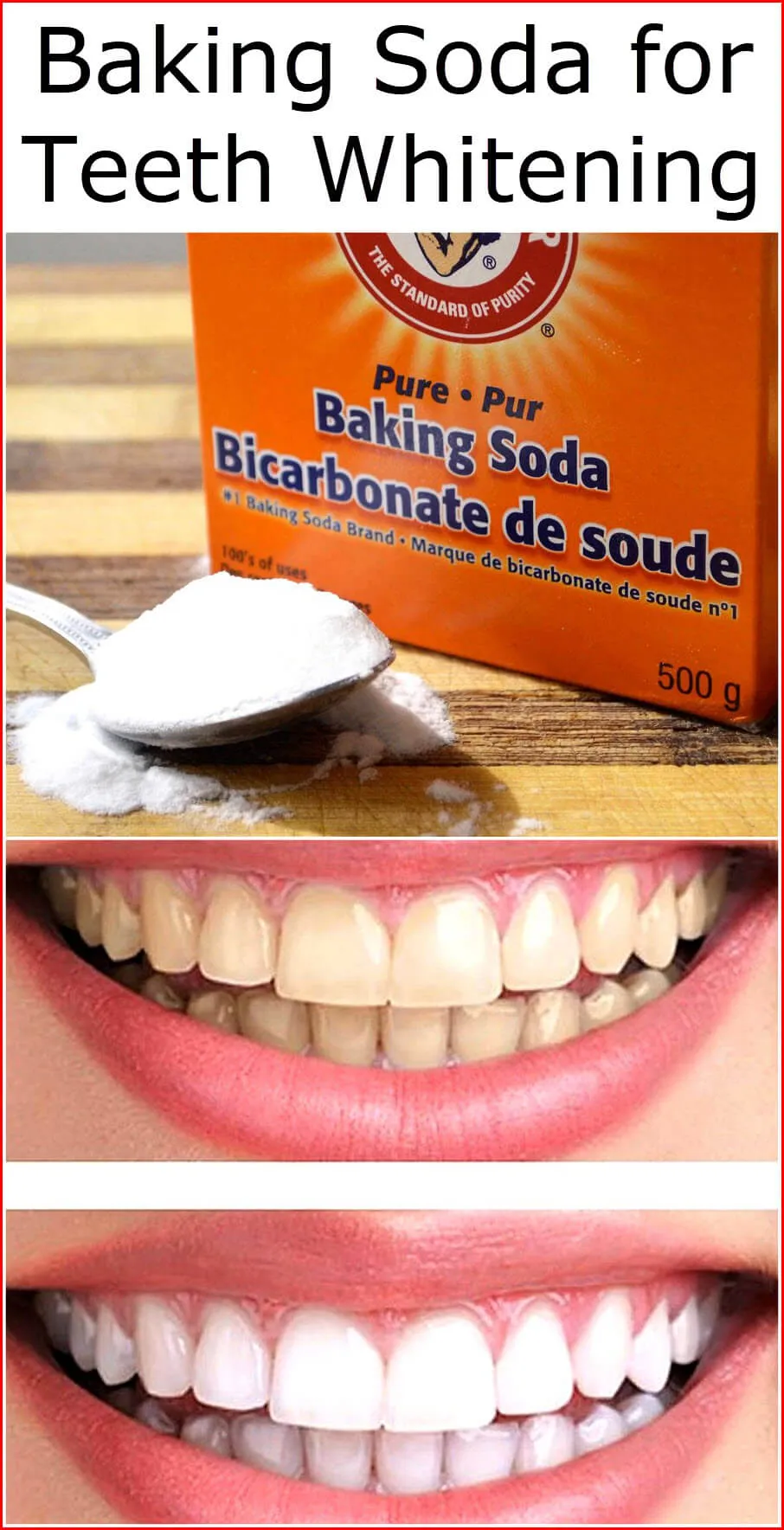
What is Baking Soda and How Does it Whiten Teeth
Baking soda, also known as sodium bicarbonate, is a common household item with a multitude of uses, including cleaning, deodorizing, and, yes, even teeth whitening. Its mild abrasive properties make it a popular, though sometimes controversial, choice for removing surface stains from teeth. The appeal of DIY baking soda teeth whitening lies in its accessibility and affordability. Many people are drawn to natural remedies, and baking soda fits the bill. However, it’s crucial to understand the science behind it and how to use it safely for optimal results and to avoid potential harm. This guide will delve into the details of using baking soda for teeth whitening, providing step-by-step instructions, safety precautions, and alternative options.
The Science Behind Baking Soda’s Whitening Power
The whitening effect of baking soda primarily stems from its abrasive nature. It acts as a gentle scrubbing agent, helping to remove plaque and surface stains caused by food, drinks (like coffee and tea), and tobacco. This abrasive action helps to polish the teeth, making them appear brighter. However, it’s important to note that baking soda doesn’t actually change the color of your teeth at a chemical level; it simply removes the external stains that dull their appearance. The effectiveness can vary depending on the type and severity of the stains.
Baking Soda’s Abrasive Properties

The abrasive quality of baking soda is key to its stain-removing capabilities. When used correctly, it can help to lift away the discoloration that adheres to the enamel surface. However, excessive or improper use can potentially erode the enamel, leading to increased sensitivity and an increased risk of cavities. Therefore, understanding the right techniques and frequency of use is crucial to avoid causing any damage.
Understanding the pH Level of Baking Soda
Baking soda has a slightly alkaline pH level. This alkaline environment can help neutralize the acids in your mouth, which are produced by bacteria and can contribute to tooth decay. This is an indirect benefit of using baking soda, as a balanced pH can contribute to better oral health. However, it’s important to remember that baking soda is not a substitute for a comprehensive oral hygiene routine.
DIY Baking Soda Teeth Whitening Step by Step
If you’re considering using baking soda for teeth whitening, it’s essential to follow the correct procedures. Here’s a detailed, step-by-step guide to help you get started safely and effectively, along with different methods to choose from, offering flexibility based on your preferences.
Gathering Your Supplies

Before you begin, gather the necessary supplies. You’ll need baking soda (ensure it’s fresh), a small container for mixing (a small cup or bowl), water, a toothbrush (preferably a soft-bristled one), and optional ingredients such as hydrogen peroxide or coconut oil. Make sure your toothbrush is clean and in good condition. It’s also a good idea to have a timer or clock handy to keep track of the brushing time. Make sure all of your supplies are readily available before you begin.
The Baking Soda and Water Method
This is the most straightforward method. Mix a small amount of baking soda (about a teaspoon) with enough water to form a paste. Dip your toothbrush into the paste and gently brush your teeth for about two minutes. Rinse thoroughly with water afterward. It’s crucial to brush gently to avoid damaging your enamel. Over-brushing or applying too much pressure can lead to sensitivity. This method is the most basic and the safest approach for many.
Baking Soda and Hydrogen Peroxide Method
Hydrogen peroxide is known for its bleaching properties, so combining it with baking soda can potentially enhance the whitening effect. Mix a small amount of baking soda with hydrogen peroxide to form a paste. Brush your teeth gently with this paste for about two minutes. Rinse thoroughly. While hydrogen peroxide can boost the whitening results, it’s important to use it cautiously. Avoid swallowing any of the mixture. Start with a low concentration of hydrogen peroxide (3%) to minimize any risks, and monitor your teeth for any sensitivity.
Baking Soda and Coconut Oil Method
Coconut oil has antibacterial properties and can help with oral hygiene. Combine baking soda with coconut oil to create a paste. The coconut oil acts as a binding agent and provides some added benefits. Use a ratio of roughly two parts coconut oil to one part baking soda. Brush your teeth gently with this mixture for about two minutes, and rinse thoroughly. Coconut oil can improve the taste and also has some reported benefits for oral health. Remember that it is an additional option that may provide some added advantages, but not critical.
Proper Brushing Techniques
No matter which method you choose, proper brushing technique is critical. Use gentle, circular motions. Avoid applying too much pressure, as this can damage your enamel and gums. Brush all surfaces of your teeth, including the front, back, and chewing surfaces. Make sure to reach every tooth thoroughly. After brushing, rinse your mouth thoroughly with water. Follow up with your regular flossing routine. Proper brushing technique, along with using the right methods, will improve the outcomes.
Important Considerations and Precautions
While DIY baking soda teeth whitening can be a safe option for some people, it’s crucial to be aware of the potential risks and follow some important precautions to protect your oral health.
Potential Risks and Side Effects

Overuse of baking soda can erode tooth enamel, leading to increased sensitivity and an increased risk of cavities. Some people may experience gum irritation or bleeding. It is essential to use baking soda sparingly and to monitor your teeth for any adverse effects. If you experience any pain, discomfort, or increased sensitivity, discontinue use immediately. It is important to know the potential risks before trying anything new, and to be aware of the signs to watch out for.
Consulting Your Dentist
Before starting any DIY teeth whitening method, it’s always a good idea to consult with your dentist. They can assess your oral health and advise you on the best whitening options for your specific needs. Your dentist can offer professional guidance based on your unique dental situation. Regular dental check-ups are also essential for maintaining good oral health and detecting any potential problems early on. They can also provide a professional cleaning and guidance. Always seek professional advice.
Alternative Teeth Whitening Options
If you’re looking for alternatives to DIY baking soda teeth whitening, several options are available. These alternatives offer different approaches to achieve a brighter smile.
Over the Counter Whitening Products

Numerous over-the-counter whitening products are available, including whitening toothpaste, strips, and gels. These products typically contain a form of peroxide, which helps to bleach the teeth. Whitening toothpaste can be a good option for maintaining a brighter smile, but it may not provide dramatic results on its own. Whitening strips and gels offer a more concentrated dose of whitening agents, which can produce more noticeable results. However, these products can also cause sensitivity or irritation. Always follow the instructions carefully and read any product warnings.
Professional Teeth Whitening Treatments
Professional teeth whitening treatments are performed by dentists and typically offer the most effective results. These treatments use stronger bleaching agents than over-the-counter products and can often lighten teeth several shades. There are various professional whitening options, including in-office treatments and take-home kits. In-office treatments provide immediate results, while take-home kits allow you to whiten your teeth gradually. Professional treatments are generally the safest and most effective way to whiten your teeth. They are often more costly, but they ensure the best results and the lowest risks.
Maintaining Your White Smile
Once you’ve achieved a whiter smile, it’s important to maintain it. This involves consistent oral hygiene practices and making some dietary adjustments.
Good Oral Hygiene Practices

Regular brushing (twice a day for two minutes), flossing, and using mouthwash are essential for maintaining a healthy and bright smile. These practices help remove plaque, prevent stains, and keep your teeth clean. Be sure to brush with a fluoride toothpaste. Flossing removes food particles and plaque from between your teeth, and mouthwash can help kill bacteria. These practices work together to provide a comprehensive approach to oral hygiene and to maintain results achieved from whitening. Regular dental check-ups and cleanings are also crucial.
Dietary Recommendations
Certain foods and drinks can stain your teeth, so it’s important to be mindful of your diet. Limit your intake of coffee, tea, red wine, and dark-colored sodas. These beverages are known to cause staining. After consuming staining foods and drinks, consider rinsing your mouth with water. Also, smoking and tobacco use can severely stain your teeth, so quitting these habits is crucial for maintaining a white smile and overall health. Make sure to follow a balanced diet that promotes good oral health.
In conclusion, DIY baking soda teeth whitening can be a cost-effective way to remove surface stains and achieve a brighter smile. By following the proper methods, understanding the risks, and consulting with a dentist, you can safely explore this option. However, remember that maintaining a white smile requires good oral hygiene practices and a balanced diet. While DIY methods can be helpful, they are not a substitute for professional dental care. Regular check-ups and cleanings are essential for overall oral health. Always prioritize your oral health and make informed decisions when it comes to teeth whitening.