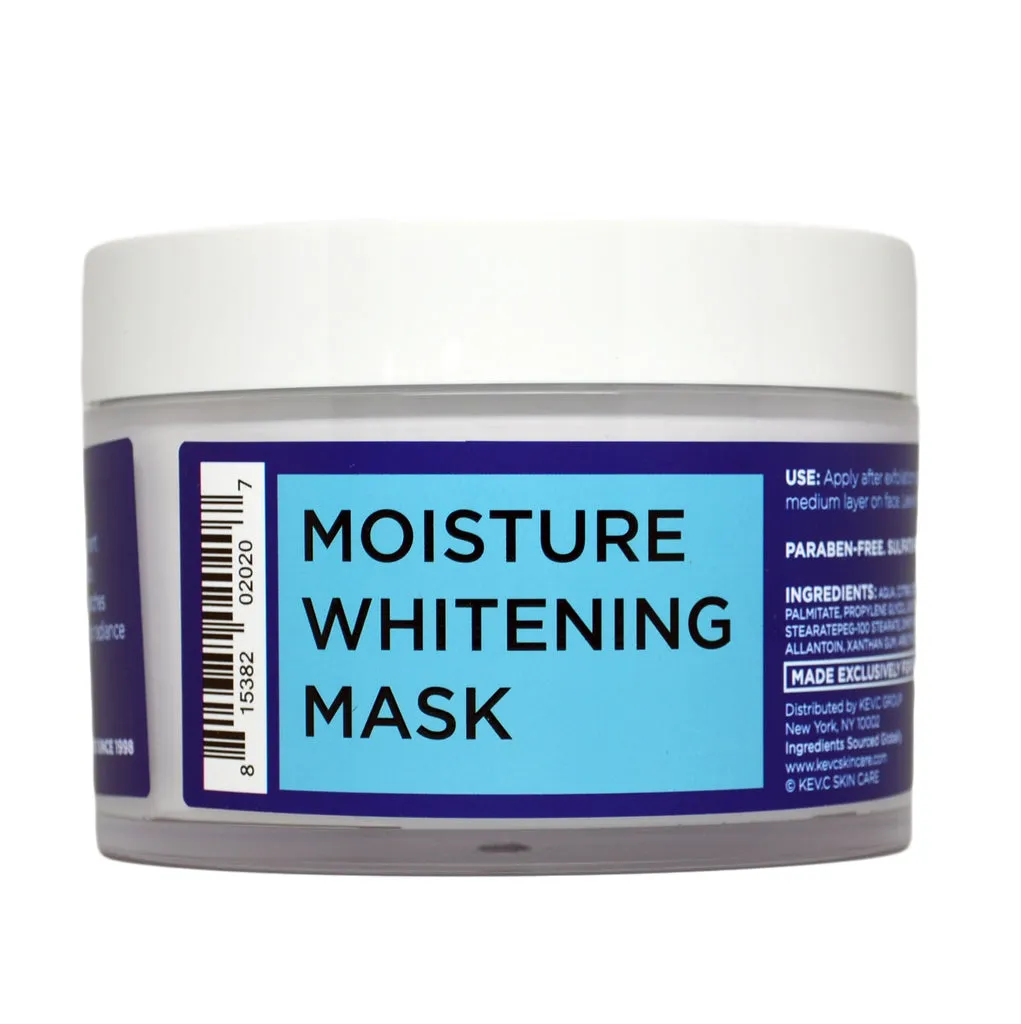
What is a Deep Whitening Mask?
A deep whitening mask is a skincare treatment designed to brighten and even out skin tone. Unlike surface-level treatments, these masks penetrate deeper into the skin to target hyperpigmentation, dark spots, and uneven complexion. They often contain powerful ingredients that work synergistically to inhibit melanin production, exfoliate dead skin cells, and promote cell turnover. Regular use can lead to a visibly brighter, more radiant complexion. These masks are a popular choice for those seeking to achieve a luminous and healthy glow, providing a more uniform skin tone and texture. The best deep whitening masks are formulated to be gentle yet effective, suitable for various skin types while delivering noticeable results over time. The primary function is to revitalize the skin from within, promoting a natural radiance.
Ingredients that Boost Radiance
Several key ingredients are essential for a deep whitening mask’s effectiveness. Vitamin C, a potent antioxidant, brightens the skin and protects against free radical damage. Alpha hydroxy acids (AHAs), like glycolic and lactic acid, exfoliate the skin, revealing a brighter complexion. Niacinamide, a form of vitamin B3, reduces inflammation and minimizes pores, further improving skin texture. Arbutin, derived from bearberry, inhibits melanin production, preventing dark spots and hyperpigmentation. Kojic acid, another melanin inhibitor, is commonly used to lighten skin and reduce discoloration. These ingredients work together to create a synergistic effect, enhancing the mask’s overall brightening capabilities. It is important to look for masks that combine these ingredients in effective concentrations for optimal results.
The Power of Key Ingredients

Each ingredient plays a vital role in achieving radiant skin. Vitamin C not only brightens but also boosts collagen production, improving skin elasticity and reducing fine lines. AHAs remove dead skin cells, allowing the other ingredients to penetrate more effectively. Niacinamide strengthens the skin’s barrier function, reducing moisture loss and protecting against environmental stressors. Arbutin and kojic acid directly target melanin production, preventing the formation of new dark spots and fading existing ones. When formulated correctly, these ingredients work in harmony to transform dull, uneven skin into a luminous, healthy complexion. Understanding the benefits of each ingredient empowers consumers to choose the most effective masks for their specific skin concerns. Consider the ingredient list to ensure it aligns with your skincare goals.
How Deep Whitening Masks Work
Deep whitening masks work through a multi-faceted approach. First, they exfoliate the skin, removing dead cells that cause a dull appearance. This process allows the active ingredients to penetrate more deeply. Second, they inhibit melanin production, preventing new dark spots from forming. Third, they often contain ingredients that boost cell turnover, helping to reveal brighter, newer skin cells. The masks typically are formulated to improve skin hydration, further contributing to a radiant glow. The combination of these actions leads to a more even skin tone, reduced hyperpigmentation, and an overall improvement in skin luminosity. The consistent application is crucial for achieving and maintaining these results. The mechanisms of action are designed to address both the symptoms and the root causes of uneven skin tone and dullness.
Step-by-Step Application Guide
Applying a deep whitening mask correctly is essential for maximizing its benefits. Begin with a clean face, washing away any makeup, dirt, or oil. Exfoliate your skin gently to remove dead cells and enhance product absorption. Apply a thin, even layer of the mask, avoiding the eye and lip areas. Allow the mask to sit for the recommended time, usually 10-20 minutes, as indicated on the product packaging. During this time, relax and avoid making facial expressions that could pull or stretch the skin. Rinse the mask thoroughly with lukewarm water, ensuring no residue remains. Pat your face dry with a soft towel and follow up with your regular skincare routine, including a hydrating serum or moisturizer. Consistency in this process leads to noticeable improvements in skin radiance. Always follow the product instructions for the best outcomes.
Preparing Your Skin for the Mask

Preparing your skin properly is a critical step in your skincare routine. Start with a gentle cleanser to remove any surface impurities, ensuring the mask can fully penetrate the skin. Exfoliation is highly recommended before applying the mask, which can be done chemically (with an AHA or BHA product) or physically (using a scrub). Exfoliating removes dead skin cells that can block the mask’s ingredients from reaching the deeper layers. If your skin is sensitive, avoid harsh scrubs and opt for a gentler method. After cleansing and exfoliating, your skin should be slightly damp before applying the mask. This helps create a better surface for the ingredients to bind and work their magic. This meticulous preparation will significantly enhance the effectiveness of your deep whitening mask.
Applying the Mask Correctly
Apply the deep whitening mask in a thin, even layer over your face and neck, avoiding the sensitive areas around your eyes and mouth. Using a brush or your fingertips, gently spread the mask, ensuring it covers all the desired areas. Do not apply too much product, as it can cause the mask to dry unevenly or clog pores. Follow the product instructions closely for the recommended application time, typically 10-20 minutes. During this period, find a comfortable position and relax, minimizing facial movements to prevent the mask from cracking or pulling on your skin. This focused application approach will ensure that the mask works uniformly, targeting uneven skin tones and enhancing your overall complexion. Proper application maximizes the mask’s benefits, promoting a brighter and more radiant skin.
Rinsing and Aftercare
After the recommended time, gently rinse off the mask with lukewarm water, making sure to remove all traces of the product. Use a soft washcloth to ensure that no residue is left behind, which can sometimes irritate the skin or clog pores. Pat your face dry with a clean, soft towel. Post-mask care is just as important as the application itself. Immediately after rinsing, apply a hydrating serum or moisturizer to replenish moisture and soothe the skin. If you are using the mask during the day, follow with a broad-spectrum sunscreen with an SPF of 30 or higher. This will protect your skin from sun damage, which can negate the mask’s brightening effects. Proper aftercare enhances the longevity and effectiveness of the mask. By following these aftercare steps, you can keep your skin radiant and healthy.
Choosing the Right Deep Whitening Mask

Selecting the right deep whitening mask is crucial for achieving your desired results. Consider your skin type when making your choice. If you have dry skin, opt for masks that contain hydrating ingredients like hyaluronic acid or ceramides. For oily or acne-prone skin, look for masks with ingredients like salicylic acid or clay, which can help control oil production and unclog pores. Sensitive skin types should choose masks with gentle, soothing ingredients, avoiding harsh chemicals or fragrances. Always read the ingredient list and look for products that are free of parabens, sulfates, and artificial colors. It is also beneficial to read reviews and consult with a dermatologist to find the most suitable product for your skin. Understanding your skin’s needs will help you in selecting the mask that works best.
Understanding Skin Types
Understanding your skin type is key to effective skincare. Common skin types include dry, oily, combination, normal, and sensitive. Dry skin often feels tight and may have flaky patches. Oily skin tends to be shiny and prone to breakouts. Combination skin has oily areas (typically the T-zone) and drier areas elsewhere. Normal skin is well-balanced, with minimal issues. Sensitive skin can react easily to products, showing redness or irritation. Identifying your skin type allows you to choose masks and products with the right ingredients. For instance, dry skin needs hydrating ingredients, while oily skin benefits from oil-controlling components. Choosing the proper mask to match your skin type will greatly improve the effectiveness and results.
Best Mask for Your Skin
The best deep whitening mask for you depends on your skin type and specific concerns. For dry skin, masks rich in hyaluronic acid, ceramides, and nourishing oils are ideal. These ingredients help to hydrate and replenish the skin’s moisture barrier. For oily skin, masks containing clay or salicylic acid can help absorb excess oil, reduce breakouts, and unclog pores. Combination skin often benefits from masks that offer a balance of hydration and oil control. Normal skin can usually tolerate a wider range of masks, but still benefits from ingredients tailored to address specific issues like dullness or uneven tone. Always read the product label and choose masks with ingredients appropriate for your individual needs, to see the best results. Look for a product that can address your specific concerns and improve your overall complexion.
Maximizing the Benefits

To maximize the benefits of a deep whitening mask, consistent use and a holistic approach are essential. Follow the recommended usage frequency as per the product instructions. Regular application allows the active ingredients to work consistently, delivering more noticeable and lasting results. Complement your mask usage with a consistent skincare routine that includes a gentle cleanser, toner, serum, and moisturizer. Always use sunscreen during the day to protect your skin from UV damage, which can counteract the brightening effects. Consider incorporating other treatments like exfoliation and chemical peels, if appropriate. Eating a healthy diet, staying hydrated, and getting adequate sleep can also improve your skin’s radiance. A combination of these strategies leads to optimal skin health and a glowing complexion.
Complementary Skincare Routine
A complementary skincare routine enhances the effects of a deep whitening mask. Start with a gentle cleanser to remove impurities and prepare the skin for subsequent treatments. Use a toner to balance the skin’s pH and further cleanse any remaining residue. Apply a serum with ingredients like vitamin C, hyaluronic acid, or niacinamide to address specific skin concerns. Moisturize daily, especially after using a deep whitening mask, to keep your skin hydrated. Sunscreen is non-negotiable to protect your skin from sun damage. Exfoliate one to two times per week to remove dead skin cells and enhance product absorption. A well-rounded skincare routine supports your deep whitening efforts, providing noticeable and lasting results. It is not a one-time fix but a continual process to achieve the best skin possible.
Lifestyle Factors for Radiant Skin
Lifestyle choices significantly impact your skin’s radiance. A balanced diet rich in vitamins, minerals, and antioxidants nourishes your skin from within. Drink plenty of water to keep your skin hydrated and plump. Get enough sleep, as your skin repairs itself overnight. Manage stress through exercise, meditation, or other relaxation techniques, as stress can exacerbate skin problems. Avoid smoking and limit alcohol consumption, as these can damage your skin. Regular exercise improves blood circulation, delivering oxygen and nutrients to your skin cells. Protecting your skin from sun exposure is essential, so use sunscreen daily. Adopting these healthy habits will help you achieve and maintain a radiant and healthy complexion, complementing your skincare routine.
Foods for Glowing Skin

The foods you eat play a vital role in the health and appearance of your skin. Incorporate foods rich in antioxidants, such as berries, leafy greens, and colorful vegetables, to combat free radical damage. Consume healthy fats from sources like avocados, nuts, and fatty fish to maintain skin hydration and elasticity. Vitamin C-rich foods, such as citrus fruits and bell peppers, boost collagen production and brighten the skin. Include foods high in vitamin E, like almonds and sunflower seeds, to protect your skin from sun damage. Probiotics, found in yogurt and fermented foods, promote a healthy gut, which can improve skin health. Limit processed foods, sugar, and excessive amounts of dairy, which can contribute to inflammation and skin problems. Focusing on whole, unprocessed foods is a vital element in achieving glowing skin.
Hydration and Skin Health
Hydration is critical for maintaining healthy and radiant skin. Drinking enough water keeps your skin plump, hydrated, and reduces the appearance of fine lines and wrinkles. Dehydrated skin often appears dull and can exacerbate skin issues. Aim to drink at least eight glasses of water per day, and more if you are active or live in a hot climate. In addition to drinking water, you can also incorporate hydrating foods into your diet, such as cucumbers, watermelon, and citrus fruits. Using a humidifier, especially in dry environments, can help retain moisture in your skin. Adequate hydration supports all the functions of your body, which in turn affects your skin. By staying hydrated, you will provide your skin with the essential building blocks for a healthy, radiant complexion.