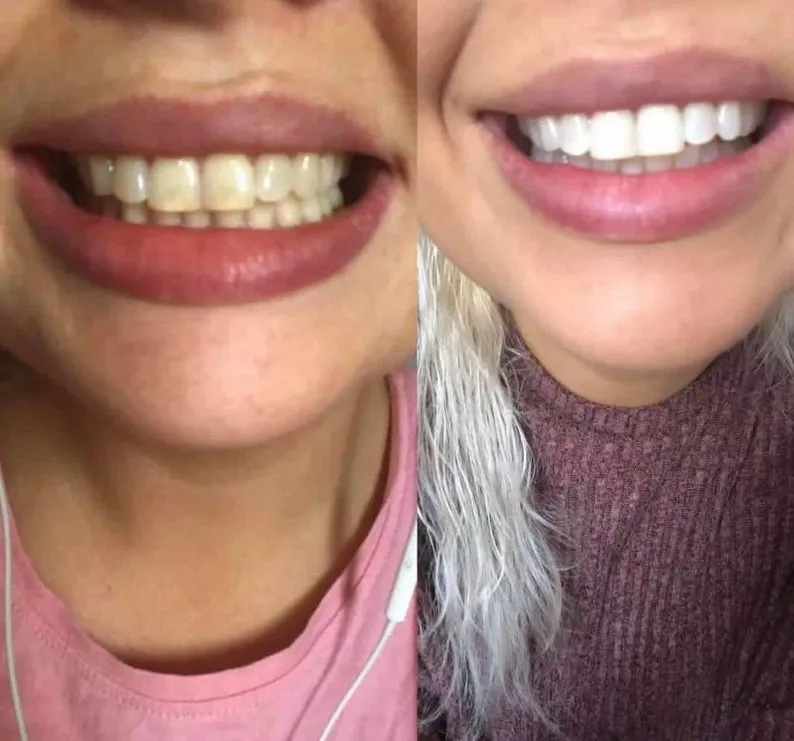
What Are Crest Whitening Strips?
Crest Whitening Strips are a popular over-the-counter teeth whitening product designed to brighten your smile. They typically consist of thin, flexible strips coated with a whitening agent, most commonly hydrogen peroxide. These strips adhere to the surface of your teeth, allowing the active ingredient to penetrate the enamel and break down stains. They are widely accessible, relatively inexpensive, and offer a convenient way to achieve a whiter smile from the comfort of your home. However, before using these strips, it is important to understand how they work, the ingredients they contain, and the potential risks and benefits associated with their use. This guide will delve into the safety aspects of Crest Whitening Strips, helping you make an informed decision about whether they are the right choice for you.
Understanding the Ingredients
The primary active ingredient in Crest Whitening Strips is hydrogen peroxide, a bleaching agent that effectively removes stains and discoloration from tooth enamel. The concentration of hydrogen peroxide varies depending on the specific product, with some strips containing higher concentrations for faster results, while others offer milder formulations for sensitive teeth. Besides hydrogen peroxide, the strips also contain other inactive ingredients that help the strips adhere to the teeth and create a consistent application. These may include ingredients like glycerin, water, and various polymers. It is crucial to review the complete ingredient list on the product packaging, especially if you have known allergies or sensitivities. Understanding the ingredients is a crucial step in determining the safety of Crest Whitening Strips.
Hydrogen Peroxide and Tooth Sensitivity

Tooth sensitivity is a common side effect associated with the use of Crest Whitening Strips, primarily due to the hydrogen peroxide. This can manifest as a sharp, temporary pain or discomfort when consuming hot or cold foods and beverages. The hydrogen peroxide penetrates the enamel and reaches the dentin, the layer beneath the enamel, which contains tubules that connect to the tooth’s nerve. This process can irritate the nerve, leading to sensitivity. The intensity of the sensitivity can vary among individuals depending on factors such as the concentration of hydrogen peroxide in the strips, the duration of application, and the natural sensitivity of the teeth. Many users experience only mild sensitivity that subsides shortly after completing the whitening treatment, while others may experience more significant discomfort.
How Hydrogen Peroxide Works
Hydrogen peroxide whitens teeth through an oxidation process. When it comes into contact with the stained molecules within the tooth enamel, it breaks them down, effectively lightening the appearance of the teeth. The effectiveness of the whitening process depends on the concentration of hydrogen peroxide and the duration of its contact with the teeth. Higher concentrations typically produce faster results, but they also increase the risk of side effects like sensitivity and gum irritation. The hydrogen peroxide molecules diffuse into the enamel, targeting the stain-causing compounds. Over time, these compounds are broken down into smaller, less visible particles, resulting in a brighter, whiter smile. This process is generally safe when used as directed, but overuse or misuse can lead to negative consequences.
Potential Side Effects of Crest Whitening Strips
Besides tooth sensitivity, Crest Whitening Strips can cause other side effects. Gum irritation, characterized by redness, swelling, and tenderness, is another common issue. This occurs when the whitening agent comes into contact with the soft tissues of the gums. In some cases, using the strips can also cause mild discomfort in the throat or a temporary change in taste. While these side effects are usually temporary and resolve shortly after discontinuing use, it is important to be aware of them. Always follow the manufacturer’s instructions carefully and avoid prolonged contact of the strips with your gums to minimize potential irritation. If you experience any severe or persistent side effects, discontinue use and consult a dentist.
Gum Irritation and Whitening Strips

Gum irritation is a common side effect of Crest Whitening Strips, often occurring when the whitening agent comes into contact with gum tissue. The hydrogen peroxide can irritate the delicate gum tissue, causing redness, swelling, and tenderness. This can happen if the strips are not applied correctly or if they extend beyond the tooth surface. To minimize gum irritation, it is essential to carefully follow the instructions for application, ensuring that the strips are placed only on the teeth and avoid contact with the gums. Some individuals with sensitive gums may be more susceptible to irritation. If irritation occurs, it usually resolves within a few days after stopping the use of the strips. In severe cases, consult with your dentist.
Tooth Sensitivity While Whitening
Tooth sensitivity during the use of Crest Whitening Strips is a frequently experienced issue, but it is usually temporary. The hydrogen peroxide in the strips can penetrate the enamel and reach the dentin, which contains the tubules leading to the tooth’s nerve. This can cause a sharp, temporary pain or discomfort when consuming hot or cold foods and beverages. The level of sensitivity varies among individuals, depending on the concentration of hydrogen peroxide, the duration of use, and natural tooth sensitivity. If you experience sensitivity, consider using a toothpaste designed for sensitive teeth, which can help to reduce discomfort. Reducing the frequency of whitening strip use or shortening the application time can also help minimize sensitivity. Consult with your dentist if sensitivity becomes severe or persists.
Best Practices for Safe Usage
To ensure the safe use of Crest Whitening Strips, several best practices should be followed. Always read and carefully follow the manufacturer’s instructions, including the recommended duration of use and frequency. Ensure the strips are applied correctly, avoiding contact with the gums. If you experience sensitivity, consider using a toothpaste designed for sensitive teeth. Avoid overusing the strips, as this can increase the risk of side effects. Store the strips in a cool, dry place away from direct sunlight. If you have any pre-existing dental conditions or concerns, consult with your dentist before using whitening strips. Keeping these things in mind will help you to achieve the best results while keeping your mouth healthy and safe. Regular dental check-ups are also crucial.
Consulting a Dentist

Before using Crest Whitening Strips, it is advisable to consult with your dentist. A dentist can assess your oral health and determine if teeth whitening is suitable for you. They can identify any underlying dental issues, such as cavities or gum disease, that need to be addressed before whitening. Your dentist can also provide professional advice on the best whitening approach and recommend the appropriate strength and duration of use. They may also offer alternative teeth whitening methods, such as professional in-office whitening treatments or custom-fitted trays. Consulting a dentist ensures you receive personalized guidance based on your oral health needs and helps minimize the risk of complications.
Application and Duration
Proper application and adherence to the recommended duration are essential for the safe and effective use of Crest Whitening Strips. The strips should be applied to clean, dry teeth, ensuring that they cover the visible surface of the teeth. Avoid contact with the gums to minimize irritation. The application time and frequency vary depending on the specific product and should be strictly followed as per the product instructions. Overuse or prolonged application can increase the risk of sensitivity and gum irritation. For optimal results, it’s essential to maintain consistency throughout the recommended treatment period. Regular dental check-ups during and after the whitening process are recommended to monitor the condition of your teeth and gums.
Alternatives to Crest Whitening Strips
Several alternatives to Crest Whitening Strips are available for teeth whitening. These include professional in-office whitening treatments performed by a dentist, which often provide more dramatic and faster results. Custom-fitted whitening trays, prescribed by a dentist, offer a more personalized and controlled approach to whitening, as the dentist can adjust the concentration of the whitening agent and the duration of use. Over-the-counter whitening toothpastes and mouthwashes can help to remove surface stains and maintain a brighter smile. Additionally, there are natural remedies like activated charcoal or oil pulling, although their effectiveness is often debated. Your dentist can guide you to the most appropriate alternative, depending on your specific needs and oral health condition.