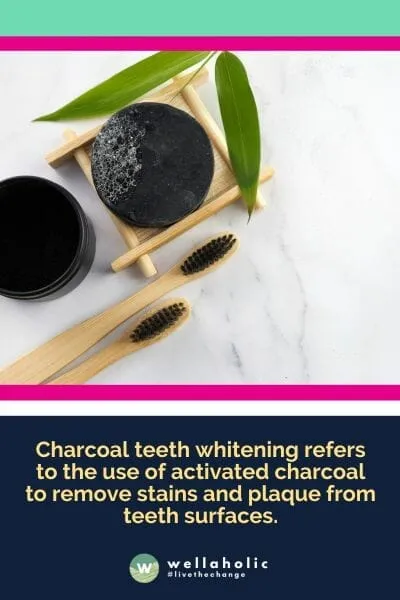
The quest for a brighter smile often leads individuals to explore various teeth whitening options. Charcoal whitening has gained popularity in recent years, touted for its ability to remove stains and brighten teeth. However, when it comes to individuals undergoing orthodontic treatment with braces, the approach to charcoal whitening requires careful consideration. This article aims to provide a comprehensive guide on charcoal whitening with braces, exploring the process, potential risks, alternative methods, and best practices to ensure both a beautiful and healthy smile throughout your orthodontic journey.
Understanding Charcoal Whitening and Braces
Understanding the basics of both charcoal whitening and braces is crucial before considering any whitening procedure. Charcoal whitening involves using activated charcoal to remove stains and impurities from the teeth’s surface. Braces, on the other hand, are orthodontic devices designed to straighten teeth. The combination of these two can present unique challenges and considerations. The effectiveness of charcoal whitening and the impact it has on the enamel and overall oral health needs to be considered, especially with the presence of braces. The following sections will delve into the specifics of charcoal whitening, the risks associated with it while wearing braces, and alternative methods for achieving a brighter smile.
What is Charcoal Whitening?
Charcoal whitening, a popular trend in the world of dental aesthetics, involves the use of activated charcoal, typically derived from sources like coconut shells, wood, or other organic materials. This charcoal undergoes a process called activation, where it’s exposed to high temperatures and oxygen to create a porous structure. This porous nature gives activated charcoal its adsorption properties, allowing it to bind to substances and trap them. In the context of teeth whitening, activated charcoal is believed to adsorb stains and impurities from the surface of the teeth, contributing to a brighter appearance. Products used for charcoal whitening come in various forms, including toothpaste, powders, and even strips.
How Charcoal Whitening Works

The mechanism behind charcoal whitening is primarily based on the adsorption capabilities of activated charcoal. Adsorption is the process where molecules of a substance adhere to the surface of another substance. In the case of teeth whitening, the activated charcoal is believed to attach to stain molecules, such as those caused by coffee, tea, or tobacco. When brushing with charcoal products, the abrasive action helps to dislodge these stain particles from the enamel surface, leading to a perceived whitening effect. However, it is important to understand that charcoal whitening primarily targets surface stains. It doesn’t alter the intrinsic color of the teeth or penetrate the enamel to address deeper discoloration. The effectiveness of charcoal whitening can vary based on the individual’s enamel condition, the type of stains present, and the frequency of use.
Risks of Charcoal Whitening with Braces
While charcoal whitening might seem appealing, especially for those seeking a quick fix for stained teeth, it’s essential to be aware of the potential risks, particularly when wearing braces. Braces, with their brackets and wires, create unique challenges for oral hygiene and can increase the likelihood of certain complications. The abrasive nature of charcoal products can pose risks, and the presence of braces further complicates the matter. Below, we’ll look at these risks in greater detail to give you a clear idea of what could happen when using charcoal whitening with braces.
Enamel Damage and Sensitivity
One of the primary concerns with charcoal whitening is its potential to damage tooth enamel. Activated charcoal is abrasive, and frequent or improper use can wear down the enamel over time. Enamel is the outermost protective layer of the tooth, and once it’s eroded, it cannot be naturally restored. Enamel erosion can lead to increased tooth sensitivity, making the teeth more vulnerable to hot, cold, or sweet foods and drinks. The presence of braces can exacerbate this issue. The brackets and wires create areas where charcoal particles can get trapped, potentially leading to prolonged contact with the enamel. This extended exposure can increase the risk of erosion and sensitivity, even more so than without braces. Therefore, individuals with braces should exercise extreme caution when considering charcoal whitening.
Staining and Discoloration around Brackets

Another significant concern is the potential for staining and discoloration around the brackets of braces. Charcoal whitening, while aiming to remove stains, might not be able to effectively reach the areas underneath and around the brackets and wires. This can result in uneven whitening and the appearance of darker patches around the brackets, making the overall effect less appealing. Furthermore, the adhesive used to attach the brackets to the teeth can be porous, potentially absorbing charcoal particles and leading to discoloration that is difficult to remove. This can lead to uneven whitening results and make the teeth appear stained instead of whiter, especially once the braces are removed, the contrast between the whitened and un-whitened areas becomes noticeable. This is why the best practice is to consult with a dentist or orthodontist for professional advice before attempting any whitening procedure with braces.
Alternative Whitening Methods for Braces
Given the risks associated with charcoal whitening while wearing braces, it’s essential to explore safer and more effective alternatives. Fortunately, several options are available for individuals with braces who want to achieve a brighter smile. These methods often provide more predictable results and are less likely to cause damage to the enamel or lead to uneven whitening. By consulting with a dental professional, you can determine the best course of action for your specific needs and oral health situation. Here are some recommended alternatives for teeth whitening while wearing braces.
Professional Teeth Whitening Options
Professional teeth whitening performed by a dentist is often the safest and most effective option for individuals with braces. Dentists can use professional-grade whitening agents, such as hydrogen peroxide or carbamide peroxide, at controlled concentrations to whiten teeth. They can also monitor the process and address any potential side effects, such as sensitivity. Whitening can be done after your braces are removed to ensure even results. Some dentists also offer whitening treatments tailored for individuals with braces. These treatments might involve using specially designed trays or gels to minimize the risk of uneven whitening or damage to the enamel. Regular check-ups and consultations with your dentist will enable you to make informed decisions about your teeth whitening options.
Over-the-Counter Whitening Products

Over-the-counter whitening products, such as whitening strips and toothpastes, are another option, but their use with braces requires careful consideration. Whitening strips may not be ideal because they can’t reach all surfaces of the teeth covered by the braces. Whitening toothpastes often contain mild abrasives or whitening agents that can help remove surface stains. However, it’s important to choose toothpastes that are specifically designed for sensitive teeth and to avoid excessive brushing pressure. Before using any over-the-counter products, it’s best to consult with your dentist or orthodontist to ensure they are safe and appropriate for your specific situation. They can provide guidance on product selection, usage, and potential risks. Following the instructions carefully and monitoring your teeth for any signs of sensitivity or adverse reactions is essential when using these products.
Safe Charcoal Whitening Practices with Braces
If you’re determined to use charcoal whitening with braces despite the potential risks, it is vital to follow safe practices to minimize any harm. These practices emphasize careful product selection, proper brushing techniques, and diligent post-whitening care. Remember, these guidelines are not a substitute for professional dental advice. Always consult your dentist or orthodontist before starting any charcoal whitening regimen. They can provide personalized recommendations based on your individual needs and oral health status.
Choosing the Right Charcoal Product
When selecting a charcoal whitening product, opt for products that are specifically designed for teeth whitening and are formulated to be less abrasive. Look for products that contain activated charcoal as the primary ingredient. Carefully review the product label for any added ingredients, such as fluoride, which can help strengthen enamel. Avoid products that contain harsh abrasives, such as baking soda or silica, which can contribute to enamel erosion. Consider products that have been tested and approved by dental professionals, as they are more likely to meet safety standards. Always read the product instructions carefully and follow the recommended usage guidelines. If you have any doubts or concerns, consult your dentist or orthodontist before using a charcoal whitening product.
Proper Brushing Techniques

Proper brushing techniques are crucial when using charcoal whitening products with braces to prevent enamel damage. Use a soft-bristled toothbrush to minimize abrasion. Apply gentle pressure when brushing, avoiding excessive force that can wear down enamel. Brush your teeth in a circular motion, covering all surfaces of the teeth and paying special attention to the areas around the brackets and wires. Brush for the recommended time, usually two minutes. After brushing with charcoal, rinse your mouth thoroughly with water to remove any remaining charcoal particles. Consider using a fluoride-containing toothpaste after charcoal brushing to help strengthen the enamel and protect against sensitivity. Be sure to floss regularly to remove plaque and food particles. If you’re unsure about your brushing technique, ask your dentist or orthodontist for guidance.
Post-Whitening Care for Braces Wearers
Following the right aftercare practices is crucial for maintaining oral health and preserving the results of any whitening treatment, especially while wearing braces. This involves good oral hygiene practices and making conscious dietary choices to prevent stains and protect the enamel. By taking these precautions, you can improve your teeth’s appearance and also promote overall oral health throughout your orthodontic journey.
Maintaining Oral Hygiene
Oral hygiene is the foundation of a healthy mouth. Brush your teeth at least twice a day for two minutes each time, using a soft-bristled toothbrush and fluoride toothpaste. Floss daily to remove plaque and food particles from between your teeth and around your braces. Use an interdental brush or floss threader to clean around the brackets and wires. Rinse your mouth with an antiseptic mouthwash to help kill bacteria and prevent plaque buildup. Schedule regular dental check-ups and cleanings to maintain your oral health. Proper hygiene practices will not only keep your teeth looking their best but also prevent dental issues.
Foods and Drinks to Avoid

Some foods and drinks can stain or discolor your teeth, especially when you have braces. Minimize your intake of dark-colored beverages, such as coffee, tea, and red wine. Limit the consumption of foods high in colorants, like berries, curries, and soy sauce. Avoid sugary snacks and drinks, which can contribute to tooth decay and staining. If you consume staining foods or drinks, rinse your mouth with water afterward to help minimize the impact. Choose a balanced diet rich in fruits, vegetables, and calcium to support your oral health and the overall health of your teeth. Stay hydrated by drinking plenty of water throughout the day, as it can help wash away food particles and prevent stains.
Conclusion
Charcoal whitening with braces is a complex issue with potential risks. While the idea of charcoal whitening might be appealing, the potential damage to the enamel and the likelihood of uneven whitening around the brackets make it a less desirable option for those with braces. Instead, consider consulting with your dentist or orthodontist about safer alternatives, such as professional teeth whitening, and over-the-counter products. By understanding the risks and benefits, following safe practices, and prioritizing oral hygiene, you can achieve a brighter smile while maintaining healthy teeth throughout your orthodontic journey. Remember, your dental health is important. Always seek professional advice before starting any new dental care routine, especially when undergoing orthodontic treatment.