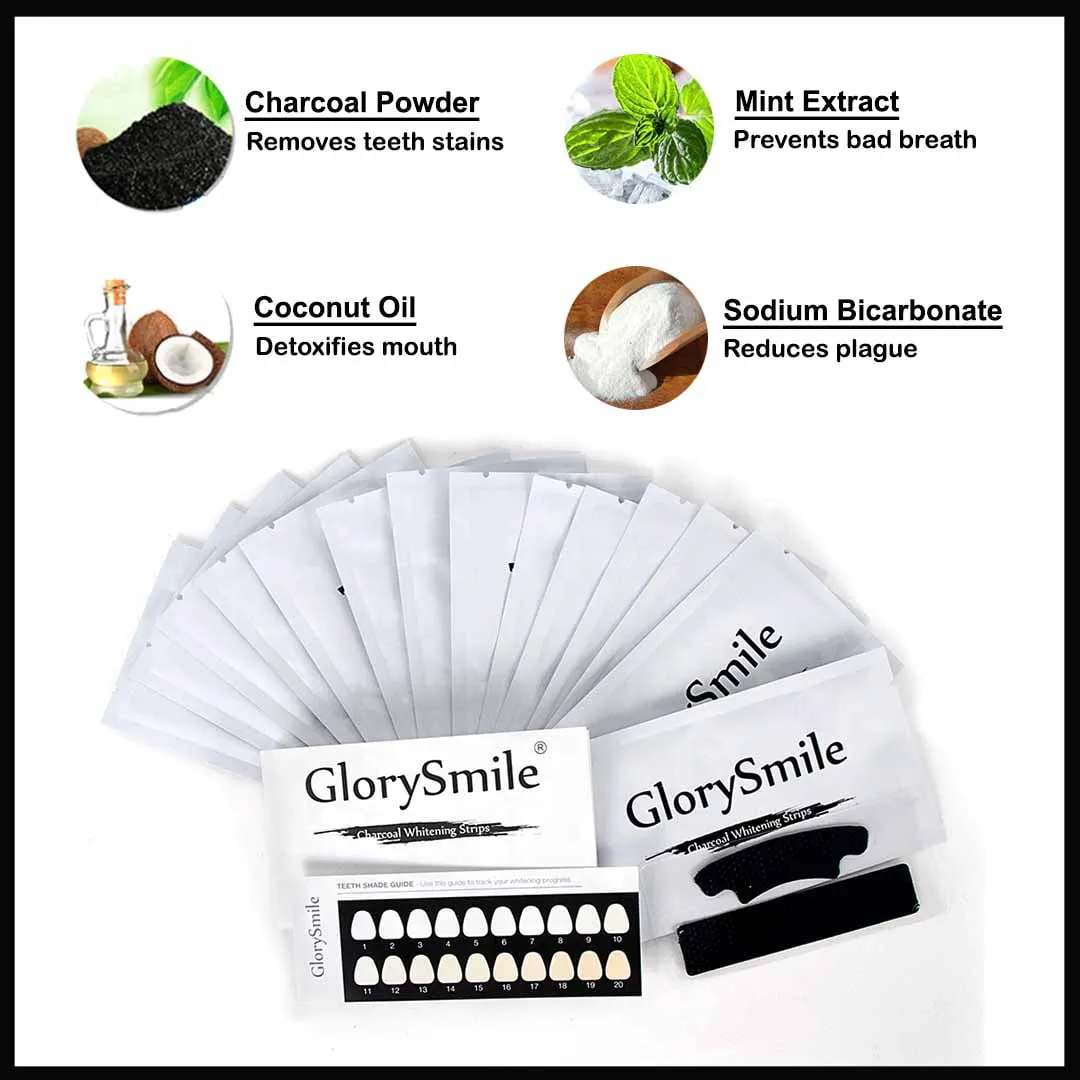
Understanding Teeth Whitening Options
Achieving a brighter smile is a common goal, and the market is flooded with teeth whitening solutions. Two popular options are charcoal teeth whitening and whitening strips. Both promise to remove stains and enhance your smile, but they work differently and come with their own sets of advantages and disadvantages. This article will delve into a detailed comparison of these two methods, helping you make an informed decision about which is best for your needs. We’ll explore how each method works, their effectiveness, potential side effects, and other crucial factors to consider when choosing the right teeth whitening approach.
What are Whitening Strips?
Whitening strips are thin, flexible plastic strips coated with a hydrogen peroxide-based whitening gel. They are designed to be applied directly to the teeth, adhering to the surface and delivering the active whitening ingredient. These strips are typically used for a specific amount of time each day, as directed by the product instructions, and the duration of the treatment can vary depending on the product and the desired results. Whitening strips are a widely available and relatively affordable option, making them accessible to a broad audience looking for a convenient way to whiten their teeth at home.
How Whitening Strips Work

The active ingredient in most whitening strips is hydrogen peroxide. This chemical penetrates the enamel of the teeth and breaks down the stain molecules that cause discoloration. The strips are designed to stay in close contact with the teeth, ensuring that the peroxide has ample time to work. The concentration of hydrogen peroxide varies among different products, with higher concentrations often leading to faster results, but also potentially increasing the risk of sensitivity. Consistency is key when using whitening strips; following the instructions carefully to ensure optimal results. The effectiveness can vary depending on the type and severity of stains, with surface stains often responding better than deeper, intrinsic stains.
Pros and Cons of Whitening Strips
Whitening strips offer several benefits. They are easy to use, readily available over the counter, and relatively inexpensive. Many users find them to be a convenient method for teeth whitening, easily incorporated into a daily routine. However, there are also drawbacks. Some people experience tooth sensitivity or gum irritation due to the peroxide content. The strips may not always fit perfectly, especially on uneven teeth, which can lead to inconsistent whitening. Additionally, whitening strips are most effective on surface stains, and may not provide dramatic results for deeper discoloration. Extended use can also potentially damage tooth enamel, if used improperly.
What is Charcoal Teeth Whitening?
Activated charcoal is a fine black powder made from various sources, such as coconut shells, wood, or peat. It’s known for its absorbent properties, and in teeth whitening, it’s believed to remove stains and debris from the teeth’s surface. Unlike whitening strips, which use chemicals to alter the tooth’s color, charcoal is thought to work through abrasion. The charcoal powder is usually mixed with water to form a paste, or it can be found in toothpastes and other oral hygiene products. The popularity of charcoal teeth whitening has surged in recent years, driven by its natural appeal and perceived gentleness.
How Charcoal Whitening Works

The primary mechanism of charcoal teeth whitening is abrasion. The charcoal particles are rough and designed to scrub away surface stains from coffee, tea, food, and other sources. When you brush your teeth with charcoal, the abrasive action helps to lift these stains, potentially making the teeth appear brighter. However, it’s important to note that charcoal doesn’t change the intrinsic color of the teeth, and it’s only effective on external stains. The charcoal itself doesn’t chemically whiten teeth, unlike products containing peroxide. Consistency is important in the use of charcoal products, and to see the benefits you need to incorporate it to your oral routine.
Pros and Cons of Charcoal Teeth Whitening
One of the main advantages of charcoal teeth whitening is its natural approach, appealing to people seeking chemical-free alternatives. It can be an effective method for removing surface stains, and some users report a noticeable difference in the brightness of their teeth. Charcoal is generally considered safe when used properly. However, there are potential downsides. The abrasive nature of charcoal can wear down tooth enamel over time, increasing the risk of sensitivity and other dental issues. There is limited scientific evidence supporting the effectiveness of charcoal for teeth whitening, and its impact on deeper stains is minimal. The messiness and potential for staining of clothing and other surfaces are also a concern.
Charcoal vs Whitening Strips Effectiveness
The effectiveness of teeth whitening depends on several factors, including the type and severity of stains, the product used, and the user’s consistency with the treatment. Whitening strips, with their hydrogen peroxide content, are generally more effective at whitening teeth than charcoal, as they can penetrate the enamel to break down stains. Charcoal, on the other hand, primarily removes surface stains, offering a subtle change in brightness for some people. Whitening strips are also more likely to show results in a shorter amount of time. For significant discoloration, professional whitening treatments are usually recommended.
Whitening Strip Results

Whitening strips, particularly those containing a higher concentration of hydrogen peroxide, can produce noticeable results within a few weeks. The degree of whitening will vary, but users often experience a brighter smile. The effectiveness also depends on the initial tooth shade and the types of stains present. Surface stains caused by coffee, tea, and tobacco typically respond well, whereas deeper stains, such as those caused by tetracycline, are more difficult to treat with whitening strips. Consistency is crucial, and following the instructions carefully is key to achieving the best results. Some users may need multiple courses of treatment to reach their desired level of whiteness.
Charcoal Whitening Results
The results of charcoal teeth whitening are often less dramatic compared to whitening strips. Because charcoal primarily removes surface stains, the effect is usually a subtle improvement in the teeth’s appearance. Some users may find their teeth feel cleaner, while others might not notice any significant difference. The effectiveness can vary depending on the individual and the type of charcoal product used. It is important to manage expectations, as charcoal is not designed to dramatically alter the natural color of the teeth. For optimal results, charcoal teeth whitening should be combined with proper brushing techniques and a consistent oral hygiene routine.
Factors Influencing Teeth Whitening
Several factors can influence the effectiveness of any teeth whitening method, and understanding these can help you make a better choice. The type and severity of the stains are important. Surface stains, such as those from coffee or tea, are easier to remove than deep, intrinsic stains. The initial shade of your teeth also matters. People with naturally darker teeth may see less dramatic results than those with lighter shades. The concentration of the active whitening ingredient, whether it’s hydrogen peroxide in whitening strips or the abrasive properties of charcoal, also plays a role. Finally, consistency and adherence to the product’s instructions are crucial for achieving the desired outcome.
Tooth Sensitivity

Tooth sensitivity is a common side effect of teeth whitening. Whitening strips containing hydrogen peroxide can cause temporary sensitivity, especially for those with already sensitive teeth. Charcoal, due to its abrasive nature, can also contribute to sensitivity by wearing down the enamel, exposing the dentin underneath. If you experience sensitivity, it’s important to stop using the product and consult with a dentist. There are desensitizing toothpastes and other treatments that can help. Sensitivity is often temporary, but the risk increases with the concentration of the whitening agent and the frequency of use. It is recommended to always read the product’s instructions to avoid any adverse effects.
Cost Comparison
The cost of teeth whitening varies depending on the method. Whitening strips are generally more affordable, with prices ranging from under $20 to $50 or more, depending on the brand and the number of strips. Charcoal products, such as toothpaste and powders, are also relatively inexpensive, typically costing between $5 and $20. Professional whitening treatments are significantly more expensive, with costs ranging from several hundred dollars to over a thousand, depending on the type of treatment. When comparing costs, also consider the duration of the treatment and the potential for long-term maintenance, such as touch-up treatments.
Ease of Use
Both whitening strips and charcoal are designed for home use and are relatively easy to incorporate into a daily routine. Whitening strips are applied directly to the teeth and left in place for the specified time, usually 30 minutes or longer. Charcoal products are typically used similarly to regular toothpaste. Charcoal can sometimes be a bit messy, requiring care to avoid staining surfaces or clothing. Whitening strips offer more convenience, while charcoal demands a little more care to avoid the mess. Following the manufacturer’s instructions and understanding the product’s specifics is the key to achieving the best results from either product.
Choosing the Right Option for You

Selecting the appropriate teeth whitening method depends on your individual needs, preferences, and dental health. If you’re looking for noticeable results and don’t have significant tooth sensitivity, whitening strips might be a good option. For those seeking a natural alternative to remove surface stains and don’t mind a more gradual process, charcoal might be a suitable choice. Always consider your budget, the level of whitening you desire, and the potential for side effects. It’s important to weigh the pros and cons of each option and ensure that you are choosing a product that is safe and effective for your specific circumstances. If you’re unsure, it’s always best to consult with a dentist.
When to Consult a Dentist
Consulting a dentist is important before starting any teeth whitening treatment, especially if you have any existing dental issues. A dentist can assess your teeth and gums, identify any potential problems, and recommend the most suitable whitening method. They can also provide professional whitening treatments, which are often more effective and safer than over-the-counter products. If you experience tooth sensitivity, gum irritation, or any other side effects, it’s crucial to see a dentist immediately. They can help determine the cause of the problem and suggest solutions to alleviate it. Additionally, dentists can offer advice on maintaining a healthy smile and preventing further discoloration.