The quest for a brighter smile has led many to explore various teeth whitening options. Among these, charcoal teeth whitening has gained popularity due to its accessibility and perceived natural benefits. However, beneath the allure of a whiter smile lies a complex reality. This article delves into the potential dangers associated with charcoal teeth whitening, providing crucial insights to help you make informed decisions about your oral health. Understanding these risks is paramount to preserving the health and integrity of your teeth and gums.
Charcoal Teeth Whitening Dangers
What is Charcoal Teeth Whitening?
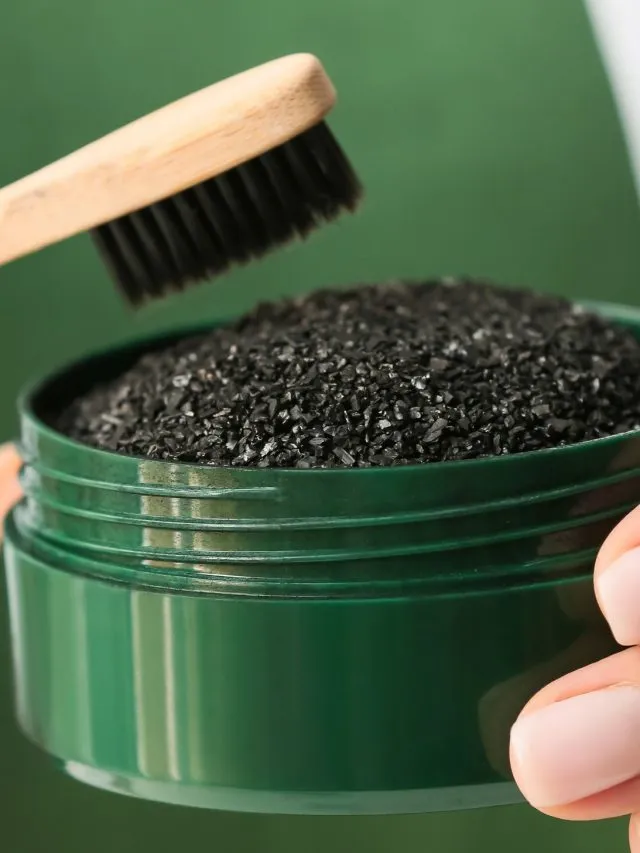
Charcoal teeth whitening involves using activated charcoal, a fine black powder made from various sources like coconut shells, wood, or other organic materials. It is marketed as a natural method to remove stains and whiten teeth. Proponents claim that the charcoal’s porous nature helps absorb impurities and stains from the teeth’s surface. The product is typically applied to a toothbrush and used to brush the teeth, similar to regular toothpaste. The increasing popularity of charcoal teeth whitening has led to a surge in products, including toothpastes, powders, and even charcoal-infused floss and mouthwashes. Understanding its mechanism is key to evaluating its effectiveness and potential risks.
How Does Charcoal Teeth Whitening Work?

The primary mechanism of action for charcoal teeth whitening is based on its abrasive qualities. Activated charcoal is designed to bind to stains and remove them from the tooth surface. The abrasive nature of the charcoal works by physically scrubbing away surface stains caused by foods, drinks, and other substances. This process can give the illusion of whiter teeth. However, it’s important to understand that charcoal primarily removes external stains and does not change the intrinsic color of the teeth. Unlike professional whitening treatments that use bleaching agents to penetrate the enamel and lighten the teeth, charcoal’s effectiveness is limited to surface-level stain removal, which leads to potential harm.
Top 5 Dangers of Charcoal Teeth Whitening
Tooth Enamel Erosion
One of the most significant risks associated with charcoal teeth whitening is tooth enamel erosion. The abrasive nature of charcoal can wear away the protective enamel layer, which is the hardest substance in the human body. Over time, this erosion can lead to increased sensitivity, as the underlying dentin becomes exposed. Once the enamel is damaged, it cannot be repaired, making your teeth more susceptible to cavities and other dental problems. The loss of enamel also makes teeth appear more yellow over time, as the dentin, which is naturally yellow, becomes more visible. Therefore, the long-term implications of enamel erosion from charcoal use can far outweigh any short-term whitening effects.
Increased Tooth Sensitivity

As enamel erodes, the underlying dentin tubules become exposed, leading to increased tooth sensitivity. These tubules contain nerve endings that transmit sensations directly to the nerves inside the tooth. When hot, cold, or acidic substances come into contact with the exposed dentin, it causes a sharp, painful sensation. This sensitivity can make everyday activities like eating and drinking uncomfortable. The chronic use of abrasive charcoal products can exacerbate this condition, leading to persistent discomfort and potential dental complications, further impacting your oral hygiene.
Gum Irritation
Charcoal products can cause irritation and inflammation of the gums, often characterized by redness, swelling, and bleeding. The abrasive particles in charcoal can physically irritate the delicate gum tissue, leading to discomfort and potential gum recession. Gum recession exposes the root surfaces of the teeth, making them more vulnerable to decay and sensitivity. Prolonged gum irritation can also increase the risk of gingivitis and other gum diseases. Careful consideration and monitoring are essential to maintain optimal oral health and prevent adverse effects when using charcoal products.
Potential for Abrasive Damage
The abrasive nature of charcoal can cause damage to the teeth beyond just enamel erosion. It can also wear down fillings, crowns, and other dental restorations. This can lead to the need for costly repairs and replacements. The constant scrubbing with charcoal can also contribute to the weakening of the teeth’s structure over time. Although the immediate effects might not be noticeable, the cumulative damage from abrasive products like charcoal can significantly impact long-term oral health and the structural integrity of your teeth and existing dental work. The constant use may require future cosmetic dentistry and unexpected costs.
Lack of Scientific Evidence

Despite its popularity, there is limited scientific evidence to support the effectiveness and safety of charcoal teeth whitening. Most of the claims are based on anecdotal evidence and marketing hype. While some studies have shown that charcoal may remove surface stains, there is no conclusive data proving that it whitens teeth any better than regular toothpaste. Furthermore, the long-term effects of charcoal on oral health have not been extensively studied, making it difficult to assess the true risks. The lack of rigorous scientific research underscores the need for caution when considering charcoal teeth whitening.
Safer Alternatives to Charcoal Teeth Whitening
Professional Teeth Whitening
Professional teeth whitening performed by a dentist is the safest and most effective method to whiten your teeth. Dentists use strong bleaching agents, like hydrogen peroxide, which penetrate the enamel to lighten the intrinsic color of the teeth. These treatments are carefully monitored to minimize the risk of sensitivity and ensure optimal results. Professional whitening also includes pre-treatment assessments and personalized advice, making it a safer option compared to over-the-counter products or DIY methods. The controlled environment and expertise of a dental professional make professional whitening the best choice for achieving a brighter smile.
Over-the-Counter Whitening Products

Over-the-counter whitening products, such as whitening strips and toothpastes, offer a more accessible alternative to professional treatments. These products typically contain lower concentrations of bleaching agents, making them less effective but also less likely to cause significant side effects. When using over-the-counter products, it’s essential to follow the instructions carefully and consult your dentist. Always check for the ADA (American Dental Association) Seal of Acceptance, which indicates that the product has been tested and proven safe and effective. It is crucial to remember that results may vary, and these products may not be suitable for everyone.
How to Use Charcoal Teeth Whitening Safely
Consult Your Dentist
Before using any charcoal teeth whitening product, it is essential to consult your dentist. They can assess the condition of your teeth and gums, identify any potential risks, and provide personalized recommendations. Your dentist can also advise you on whether charcoal whitening is appropriate for your specific situation or if alternative treatments would be more beneficial. Consulting a professional before you begin can help prevent unforeseen oral health issues and help you make informed decisions to best support your teeth and gums.
Choose the Right Charcoal Product

If you decide to use charcoal teeth whitening, select a product that contains activated charcoal and is specifically designed for oral use. Make sure that the product does not contain any harsh additives or abrasive ingredients. The texture should be fine and smooth to minimize the risk of enamel damage. Read reviews and check the product’s ingredient list to ensure that it meets your needs. Products that are certified by reputable dental associations can offer a degree of assurance regarding their safety. Careful selection will help ensure you are minimizing the risk and using a quality product.
Use a Soft-Bristled Toothbrush
Using a soft-bristled toothbrush is essential when using charcoal teeth whitening products. Soft bristles are gentler on the enamel and help reduce the risk of abrasion. Avoid using hard-bristled brushes, as they can exacerbate the erosive effects of charcoal. Brush your teeth gently, using small circular motions, and avoid applying excessive pressure. Brushing too aggressively can also contribute to enamel erosion and gum recession. Combining the soft bristles with gentle brushing techniques can help minimize potential damage.
Limit Frequency of Use
If you choose to use charcoal teeth whitening, it is crucial to limit the frequency of use. Avoid using these products daily. Instead, use them no more than once or twice a week. Excessive use can significantly increase the risk of enamel erosion and other adverse effects. Monitor your teeth for signs of sensitivity or irritation, and discontinue use if you experience any problems. The frequency of use should be in moderation to minimize the potential harms and support your long-term oral health. Less is more when using charcoal teeth whitening products.
Conclusion

While charcoal teeth whitening might seem like an appealing option for a brighter smile, it’s crucial to be aware of the potential dangers. Enamel erosion, increased sensitivity, and gum irritation are just some of the risks associated with its use. The lack of scientific evidence further raises concerns about its safety and efficacy. Prioritizing your oral health involves making informed choices and consulting with dental professionals. While natural alternatives are trending, the benefits of professional treatments outweigh the risks. If you’re looking to whiten your teeth, consider safer and more effective alternatives. Choosing professional whitening options or dentist-approved over-the-counter products can protect your teeth and help you achieve a radiant, healthy smile for the long term. Protect your teeth first!