Understanding In-Office Teeth Whitening
In today’s world, a bright, white smile is often associated with youth, health, and confidence. This has led to a surge in the popularity of cosmetic dentistry procedures, with teeth whitening leading the pack. Among the various teeth whitening options available, in-office teeth whitening stands out as a fast and effective method for achieving dramatic results. This article delves into the best in-office teeth whitening options, providing a comprehensive guide to help you make an informed decision. It explains the procedures, the pros and cons, and other crucial factors to consider before you decide to brighten your smile. Whether you’re looking to enhance your appearance for a special occasion or simply boost your self-esteem, understanding in-office teeth whitening is the first step towards achieving a dazzling smile. The advancements in dental technology have made these procedures safer and more effective than ever before, making them a popular choice for individuals seeking immediate and noticeable results.
What is In-Office Teeth Whitening
In-office teeth whitening, also known as chair-side bleaching, is a cosmetic dental procedure performed by a dental professional in a clinic setting. Unlike at-home whitening kits, which use lower concentrations of bleaching agents and require several weeks of consistent use, in-office treatments utilize stronger bleaching solutions and are administered under controlled conditions. This allows for faster and more significant results. The process typically involves isolating the teeth to protect the gums and then applying a bleaching agent, often containing hydrogen peroxide or carbamide peroxide. A special light or laser may be used to accelerate the whitening process. The entire procedure usually takes about one to two hours, making it a convenient option for those seeking immediate improvements in their smile’s brightness. The duration of the treatment and the number of sessions needed can vary based on the initial shade of your teeth and the desired outcome.
Benefits of In-Office Teeth Whitening

In-office teeth whitening offers several advantages over other teeth whitening methods. First and foremost, it provides immediate results. The concentrated bleaching agents used in professional settings quickly break down stains and discoloration, often improving the shade of your teeth by several levels in a single session. This can be particularly beneficial for individuals who have an event or occasion where they want a brighter smile, like a wedding or a job interview. Another significant benefit is the expertise and safety provided by dental professionals. They ensure that the procedure is performed correctly, minimizing the risk of gum irritation or other complications. They can also assess the overall health of your teeth and determine if teeth whitening is the right option for you. Finally, in-office treatments are generally more effective in treating stubborn stains, such as those caused by tetracycline or fluorosis, which may not respond well to over-the-counter products.
Top 5 In-Office Teeth Whitening Options
Several in-office teeth whitening systems are available, each with its unique features and benefits. The choice of which system to use often depends on the dentist’s preference, the patient’s needs, and the desired outcomes. Here are five of the most popular and effective in-office teeth whitening options. When choosing a treatment, it’s important to consult with your dentist to determine which option is best suited for your specific needs and dental health. They will consider the existing state of your teeth and any potential sensitivities or contraindications. This personalized approach ensures the best results and minimizes any potential risks.
Zoom! Whitening
Zoom! Whitening is one of the most well-known and widely used in-office teeth whitening systems. It is known for its effectiveness and the ability to deliver significant results in a short amount of time. The system often includes pre-treatment, the whitening procedure itself, and post-treatment care. It’s a comprehensive approach to achieving a brighter smile quickly and efficiently. The popularity of Zoom! Whitening can be attributed to its ability to address a wide range of staining issues, making it a versatile choice for many patients seeking to enhance their smiles.
How Zoom! Whitening Works

The Zoom! Whitening procedure typically involves applying a high-concentration hydrogen peroxide gel to the teeth. A special Zoom! light, designed to accelerate the whitening process, is then used. The light helps activate the gel, breaking down the stains and discoloration on the tooth surface. The process is often repeated in intervals, with each session lasting about 15 minutes. Patients often see a noticeable improvement in their teeth shade after just one session. Before the procedure, the dentist will usually clean the teeth to remove any plaque or debris that could impede the whitening process. The gums and soft tissues around the teeth are carefully protected to prevent irritation from the bleaching agent. After the whitening, a fluoride treatment may be applied to reduce sensitivity.
Pros and Cons of Zoom! Whitening
The main advantage of Zoom! Whitening is its speed and effectiveness. It can provide dramatic results in a single appointment. However, some patients may experience increased tooth sensitivity after the treatment. This is usually temporary and can be managed with fluoride treatments or desensitizing toothpaste. Another potential drawback is the cost, which can be higher than other whitening options. The effectiveness of the treatment also depends on the type and severity of the stains. While Zoom! Whitening is highly effective for many types of stains, certain types of discoloration may require additional treatments or alternative approaches. Consulting with your dentist to discuss your specific needs and expectations is always advisable.
Boost Whitening
Boost Whitening is another popular in-office teeth whitening treatment, known for its ability to deliver impressive results. It is often preferred by dentists because of its ease of use and the significant improvements it offers to a patient’s smile. This treatment is designed to break down even the most stubborn stains, offering a brighter, more confident smile. The procedure typically involves applying a high-concentration whitening gel to the teeth, followed by the use of a special light to enhance the whitening effect. It’s a fast and efficient way to achieve a noticeably whiter smile in just one or two sessions. Your dentist can discuss if Boost Whitening is appropriate for you.
What is Boost Whitening
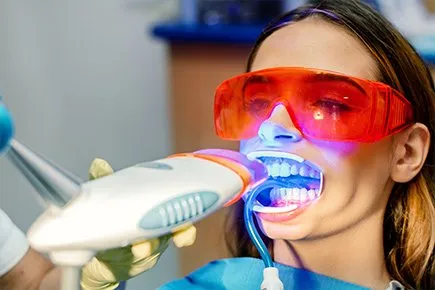
Boost Whitening is a professional teeth whitening system offered by many dental practices. It employs a high-concentration bleaching agent, often hydrogen peroxide, to effectively lift stains from the teeth. The key to Boost Whitening’s success lies in its advanced formula, which is designed to penetrate the enamel and break down the discoloration. This method allows for a brighter smile without causing extensive damage to the teeth. The procedure is usually completed in a single visit, making it a convenient choice for those seeking immediate results. The specific formulations and application methods may vary between dental practices, but the core concept remains the same—providing an effective and efficient teeth whitening experience.
Boost Whitening Procedure
The Boost Whitening procedure involves several steps. First, the dentist will clean your teeth to remove any plaque or debris. Next, a protective barrier is applied to the gums to prevent irritation from the bleaching agent. The whitening gel is then applied to the teeth, and a special light may be used to accelerate the whitening process. The gel typically remains on the teeth for a set amount of time, often about 15-20 minutes, and the process may be repeated a few times during the same appointment. After the whitening treatment, the dentist will remove the gel and protective barriers. Patients are often provided with instructions for post-treatment care, which may include avoiding certain foods and drinks that could stain the teeth and using a sensitivity-reducing toothpaste. The post-treatment care is essential to maintain the results of the Boost Whitening treatment and to ensure the long-term health of your teeth.
Pros and Cons of Boost Whitening
Boost Whitening offers several advantages, including rapid and noticeable results. It is an effective treatment for a wide range of stains. The procedure is usually completed in a single appointment, making it convenient for patients. However, a common side effect is tooth sensitivity, which can be temporarily experienced after the treatment. Some patients may also experience gum irritation. Another factor to consider is the cost, which can be higher than over-the-counter whitening options. Boost Whitening is a powerful treatment designed for noticeable results, so it’s essential to consider the potential risks and benefits. Your dentist can assess your oral health and determine if Boost Whitening is suitable for your specific needs.
Laser Teeth Whitening

Laser teeth whitening utilizes the power of laser technology to enhance the whitening process. This method is favored for its ability to produce quick and effective results, often improving the teeth’s shade by several levels in a single session. The precision and intensity of the laser allow for targeted application, minimizing the risk of damage to surrounding tissues. Laser teeth whitening is a popular choice among individuals seeking a fast, efficient, and reliable teeth whitening solution. It is crucial to consult with a qualified dental professional to ensure the treatment is appropriate for your specific dental health needs. They will assess your teeth, discuss your expectations, and explain the procedure thoroughly.
How Laser Teeth Whitening Works
The process of laser teeth whitening begins with the application of a high-concentration whitening gel to the teeth. The dentist then directs a laser beam onto the teeth, which activates the gel and accelerates the whitening process. The laser enhances the bleaching agent’s ability to penetrate the enamel and break down the stains. The laser’s precision also allows the dentist to control the process, ensuring an even application and minimizing any potential discomfort. The procedure is typically performed in a dental clinic setting. Several cycles of gel application and laser activation may be necessary during one session to achieve the desired results. Patients can often see a significant improvement in their teeth shade after just one treatment, making it a popular choice for those seeking a quick and effective whitening solution. The entire process usually takes about an hour, making it a convenient option for people who have limited time. The effects of laser teeth whitening can last for several months or even years, depending on your oral hygiene habits and lifestyle choices, such as diet and smoking.
Pros and Cons of Laser Teeth Whitening
Laser teeth whitening offers numerous benefits, including rapid and effective results. The laser enhances the whitening process, often leading to a significant improvement in teeth shade in a short amount of time. The precision of the laser allows for targeted application, minimizing the risk of damage to the surrounding tissues. However, one potential downside is the cost. Laser teeth whitening can be more expensive than other teeth whitening methods. Some patients may also experience increased tooth sensitivity after the procedure, although this is usually temporary. Another factor to consider is the potential for gum irritation, although dentists take precautions to protect the gums during the procedure. It is essential to weigh the pros and cons carefully and consult with your dentist to determine if laser teeth whitening is right for you. They will assess your oral health, discuss your expectations, and guide you through the process.
KöR Whitening

KöR Whitening is a professional teeth whitening system designed to provide dramatic and lasting results. Known for its effectiveness in treating even the most severe cases of tooth discoloration, KöR Whitening combines in-office and at-home treatments to maximize the whitening outcome. This dual approach, under the supervision of a dental professional, allows for a controlled and gradual whitening process, minimizing the potential for sensitivity while achieving impressive results. The system addresses a wide range of staining issues, making it a versatile choice for patients seeking a comprehensive teeth whitening solution. The KöR Whitening system requires a detailed, customized approach that is tailored to individual needs, ensuring the best possible results. Its ability to target both surface and deep stains makes it stand out in the realm of professional teeth whitening options.
What is KöR Whitening
KöR Whitening is a professional teeth whitening system that combines in-office and at-home treatments to produce exceptional results. It uses specially formulated whitening gels that are stored and refrigerated to maintain their potency. The KöR Whitening system offers a unique approach. It targets both surface stains and stains deep within the tooth’s enamel. The process usually involves an initial in-office visit where the dentist will create custom-fitted whitening trays for at-home use. The at-home treatment typically lasts for a couple of weeks, followed by in-office whitening sessions to further enhance the results. The KöR Whitening system is particularly effective for treating tetracycline staining and other challenging cases of discoloration. The system is a comprehensive treatment to maximize the whitening outcome and provide long-lasting results.
KöR Whitening Procedure
The KöR Whitening procedure begins with a consultation where the dentist assesses the patient’s teeth and discusses their expectations. Custom-fitted whitening trays are created to ensure the whitening gel is applied evenly. Patients then use the trays at home for a specified duration, as directed by the dentist. These trays are crucial in delivering the whitening gel effectively. The trays fit snugly to avoid any leakage that could irritate the gums. Patients will return for periodic in-office treatments to enhance the whitening process further. During the in-office sessions, the dentist may apply stronger bleaching agents and use special lights to boost the whitening effect. This combination of at-home and in-office treatments helps to achieve the best possible results. After the treatment, the dentist provides post-treatment instructions, including guidelines on diet and oral hygiene to maintain the brighter smile.
Pros and Cons of KöR Whitening

The KöR Whitening system is known for its effectiveness in addressing a wide range of tooth discoloration issues, including tetracycline staining. The results often last longer than other whitening treatments. However, the KöR Whitening process requires both at-home and in-office treatments, which may be more time-consuming and expensive than other options. Some patients may experience tooth sensitivity. The sensitivity is often temporary and can be managed with desensitizing toothpaste or fluoride treatments. The cost of KöR Whitening can be higher compared to other methods because it involves multiple steps. Consulting with a dentist is essential to determine if KöR Whitening is the right choice for your needs.
Opalescence Boost
Opalescence Boost is an in-office teeth whitening treatment known for its convenience and effectiveness. The system uses a high-concentration bleaching agent to deliver noticeable results in a single visit. This option is particularly suitable for individuals seeking a quick and efficient way to brighten their smiles. Opalescence Boost is a popular choice among dental professionals. The procedure typically involves a short appointment time and minimal preparation, making it an attractive option for those with busy schedules. This treatment uses a unique formula to ensure the best possible results in a single appointment. It is recommended to consult with a dental professional to determine if this is suitable for your needs.
What is Opalescence Boost
Opalescence Boost is a professional teeth whitening system that uses a high concentration of hydrogen peroxide for fast and effective results. The whitening gel is chemically activated, meaning that it does not require a special light to activate the bleaching process. This simplifies the procedure. The procedure is completed in about an hour. It is designed to lift stains and discoloration from the teeth, resulting in a brighter, more attractive smile. The high concentration of hydrogen peroxide is effective at breaking down stains and removing discoloration from the teeth’s surface. This treatment is often preferred for its ease of use and the immediate improvements it provides. The speed and convenience of Opalescence Boost make it a popular choice for patients looking for a quick smile makeover.
Opalescence Boost Procedure
The Opalescence Boost procedure begins with the dentist protecting the gums with a protective barrier to prevent irritation from the bleaching agent. The whitening gel is then applied to the teeth, and the procedure typically lasts for one to two 20-minute intervals. The dentist monitors the progress and adjusts the treatment as necessary. After the treatment, the protective barrier is removed, and the teeth are rinsed. Patients may be given post-treatment instructions, which often include avoiding staining foods and drinks for a certain period and using sensitivity-reducing toothpaste. The Opalescence Boost procedure provides immediate results, making it a favored option for those seeking rapid enhancements in their smile’s appearance. Your dentist will provide all the necessary post-treatment instructions, including how to maintain your newly whitened smile. Proper oral hygiene is vital to maintain results.
Pros and Cons of Opalescence Boost
Opalescence Boost offers several benefits, including the convenience of a single-visit treatment and fast results. The procedure is relatively quick and straightforward. The main potential downside is tooth sensitivity, which can be temporary. Another factor to consider is the cost. It can be higher than other whitening methods. The effectiveness of Opalescence Boost depends on the type and severity of the stains. Some patients might not experience the desired level of whitening in a single treatment. Consulting a dental professional is essential to determine if Opalescence Boost is the suitable choice for your needs and to discuss any potential risks or side effects. Your dentist can help you understand the procedure and prepare for the treatment.
Factors to Consider When Choosing
Choosing the best in-office teeth whitening option requires careful consideration of several factors. The most important aspect is the type and severity of your tooth discoloration. Different whitening systems are designed to address various types of stains, such as those caused by coffee, tea, tobacco, or aging. Consulting with a dental professional is crucial for an accurate assessment of your needs and to determine which option will yield the best results. The choice of teeth whitening also depends on your sensitivity level. Some systems may cause increased tooth sensitivity, especially those with higher concentrations of bleaching agents. The dentist can assess your sensitivity levels. Another factor is the desired outcome. Some systems offer more dramatic results in a single session, while others may require multiple treatments. Considering the cost of each system is also essential. In-office teeth whitening can vary significantly in price, so it’s important to find an option that fits your budget. The time commitment is another crucial element. Some treatments require multiple sessions or a combination of in-office and at-home procedures. Considering these factors will help you make an informed decision about the best in-office teeth whitening option for your needs and preferences. Taking all these points into account will help you achieve a brighter and more confident smile.
Cost of In-Office Teeth Whitening
The cost of in-office teeth whitening can vary significantly based on several factors. These factors include the specific whitening system used, the location of the dental practice, and the experience of the dental professional. In general, in-office treatments are more expensive than at-home whitening kits because they involve a dental professional’s expertise, specialized equipment, and higher concentrations of bleaching agents. The prices can range from a few hundred to over a thousand dollars per treatment. The initial consultation and any necessary pre-whitening procedures, like teeth cleaning, will also influence the overall cost. While in-office whitening is a more significant investment, the benefits of immediate and often dramatic results can be worth the expense for many people. It is crucial to discuss the cost and payment options with your dentist upfront to ensure you are fully informed and can budget accordingly. Insurance typically does not cover cosmetic procedures like teeth whitening, so it’s important to confirm this with your provider. Comparing prices and asking about financing options can help you make an informed decision about the cost of in-office teeth whitening.
Sensitivity and Side Effects
Tooth sensitivity is a common side effect of in-office teeth whitening. This can occur due to the bleaching agents’ interaction with the tooth enamel. The sensitivity is usually temporary, subsiding within a few days after the treatment. Dentists often use fluoride treatments or desensitizing toothpaste to minimize sensitivity. Gum irritation is another possible side effect, especially if the protective barriers are not properly placed during the procedure. This irritation is typically mild and resolves quickly. It’s important to follow your dentist’s instructions carefully, including post-treatment care guidelines, to reduce the risk of side effects. In rare cases, more severe side effects can occur, such as damage to the teeth or soft tissues. These risks are significantly minimized when the procedure is performed by a qualified dental professional. Communicating any concerns or discomfort to your dentist promptly is essential during and after the procedure. They can provide guidance on how to manage side effects and ensure the best possible outcome. Proper oral hygiene and avoiding certain foods and drinks after the treatment can also help to minimize potential issues. Taking all the necessary precautions is key to enjoying a brighter, healthier smile after your teeth whitening procedure.
Maintenance and Aftercare
Maintaining your newly whitened smile requires consistent care and attention. Following your dentist’s post-treatment instructions is essential. These may include avoiding staining foods and drinks, such as coffee, tea, red wine, and dark-colored berries, for a certain period. Using a whitening toothpaste can help maintain the brightness of your teeth. Regular dental check-ups and cleanings are also crucial. Your dentist can monitor the results of your whitening treatment and provide guidance on maintaining your bright smile. It is important to practice good oral hygiene, including brushing your teeth twice a day and flossing daily. This helps to prevent the build-up of plaque and stains. Using a straw when drinking staining beverages can also help minimize contact with your teeth. The duration of your whitening results varies. With proper care and maintenance, you can enjoy a brighter smile for a long time. Regular follow-up appointments with your dentist will ensure that your teeth remain healthy and beautiful. By adhering to these maintenance and aftercare tips, you can maximize the longevity and impact of your in-office teeth whitening treatment. This will help you keep your smile radiant and your confidence high.
In conclusion, in-office teeth whitening offers a rapid and effective solution for achieving a brighter smile. The various options, including Zoom!, Boost, laser, KöR, and Opalescence Boost, each provide unique benefits and cater to diverse needs. Selecting the right treatment involves considering factors such as the type of stains, sensitivity levels, desired outcomes, and cost. While potential side effects like sensitivity and gum irritation exist, they are typically temporary and manageable. Maintaining your results requires diligent aftercare, including good oral hygiene, avoiding staining foods, and regular dental check-ups. By consulting with a dental professional, understanding the available options, and practicing proper maintenance, you can enjoy a dazzling smile and boosted confidence. Prioritizing your dental health and following professional advice will ensure long-lasting results and a healthier, brighter smile for years to come. Embrace the opportunity to enhance your smile and experience the transformative effects of professional teeth whitening.