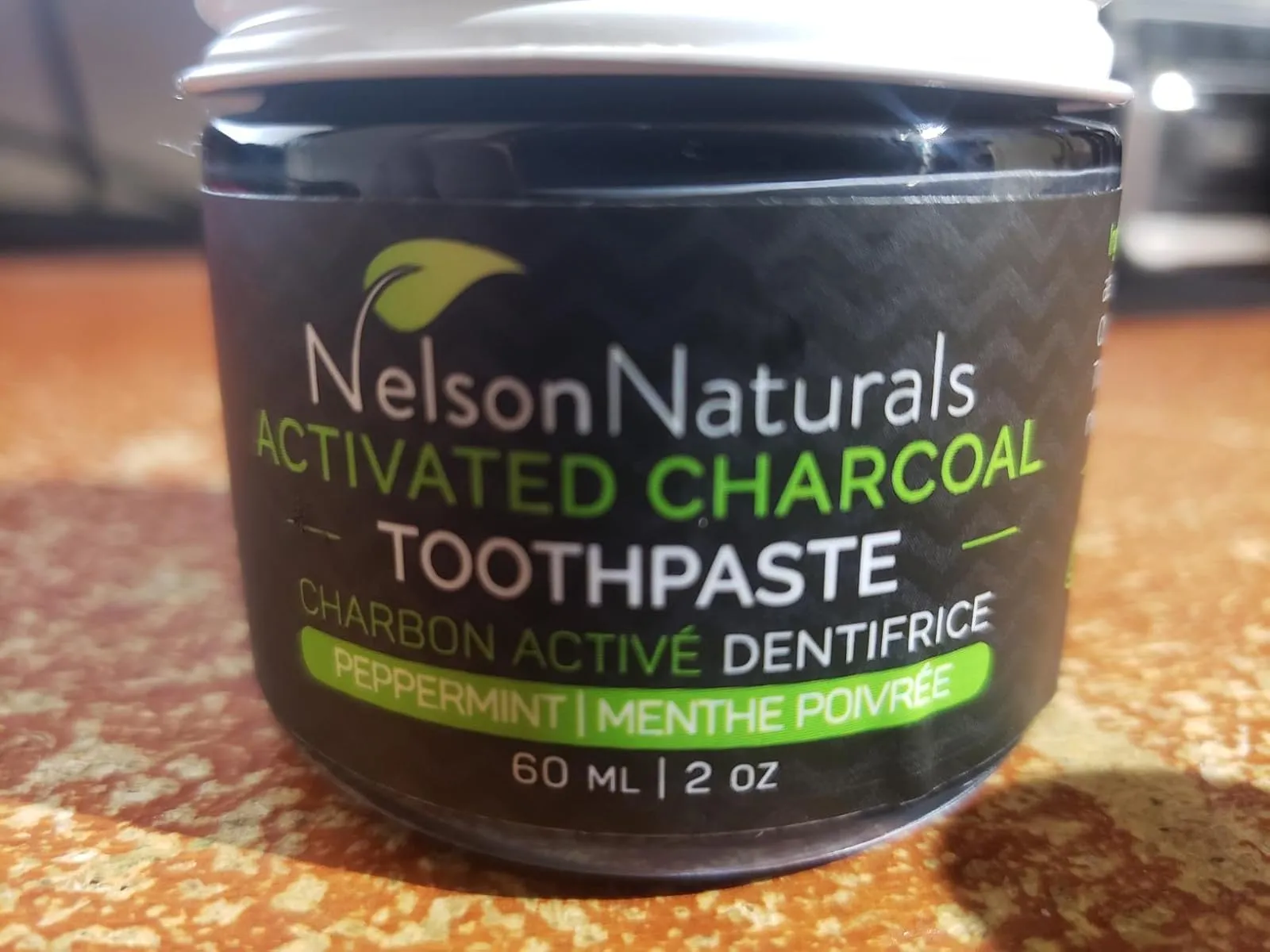
What is Activated Charcoal Toothpaste
Activated charcoal toothpaste has gained significant popularity in recent years as a natural approach to teeth whitening and oral hygiene. But what exactly is it? Activated charcoal is a fine, black powder made from various carbon-based materials, such as coconut shells, wood, or bamboo. The term “activated” refers to a special processing method that increases the charcoal’s porosity. This increased porosity allows it to trap and bind to toxins and stains, making it effective for various uses, including teeth whitening. Unlike regular charcoal, activated charcoal is safe for use in oral care due to its refined processing. This makes activated charcoal toothpaste an appealing choice for those seeking a more natural and less abrasive alternative to traditional whitening methods.
The Science Behind Activated Charcoal’s Whitening Power
The whitening power of activated charcoal toothpaste stems from its unique properties. The porous nature of activated charcoal allows it to act as a gentle abrasive. As you brush, the tiny charcoal particles help to scrub away surface stains caused by coffee, tea, wine, and other foods and drinks. These stains adhere to the activated charcoal, which is then rinsed away during the brushing process. This mechanism differs significantly from the bleaching agents found in many traditional whitening products. Activated charcoal does not chemically alter the tooth enamel. Instead, it provides a physical method to remove the stains. The effectiveness can vary depending on the type and severity of the stains, along with the frequency of use. While it cannot change the natural color of your teeth, it can help to restore their natural brightness by removing external stains.
How Does Activated Charcoal Toothpaste Work

Activated charcoal toothpaste works through a combination of physical and adsorptive processes. When you brush with it, the activated charcoal particles gently scrub the surface of your teeth. This action helps to dislodge and remove stains and debris that have accumulated. Moreover, the activated charcoal has the ability to bind to impurities. It acts like a magnet, attracting and trapping stain molecules. This process is crucial for effective whitening. The toothpaste effectively lifts stains, leaving your teeth cleaner and appearing brighter. It also helps to remove plaque and bacteria. The result is a cleaner mouth and fresher breath. To maximize effectiveness, it’s important to use the toothpaste correctly and consistently.
The Benefits of Using Activated Charcoal Toothpaste
Activated charcoal toothpaste offers a range of potential benefits beyond just teeth whitening. Many users appreciate its natural approach, which avoids the use of harsh chemicals found in some whitening products. The key advantage is the potential for brighter teeth, achieved by removing stains. Many people also experience improved oral hygiene as the charcoal helps to remove plaque and bacteria. This can contribute to fresher breath and a healthier mouth. Because activated charcoal is generally considered gentle, it can be a good option for people with sensitive teeth, although individual experiences may vary. The choice of using activated charcoal toothpaste often aligns with a preference for natural oral care solutions, making it a popular choice for those seeking alternatives to conventional products.
Natural Teeth Whitening Effects
The primary benefit of activated charcoal toothpaste is its potential to whiten teeth naturally. By effectively removing surface stains caused by coffee, tea, tobacco, and other substances, it helps to restore your teeth’s natural brightness. The key is the gentle abrasiveness of the charcoal, which works to polish the tooth surfaces. Over time, and with regular use, many users notice a visible improvement in the whiteness of their teeth. The level of whitening varies from person to person. It depends on the type of stains and the consistency of use. This natural whitening effect makes activated charcoal toothpaste an attractive alternative to chemical-based whitening treatments. Many prefer this method for a more natural and less invasive approach to achieving a brighter smile.
Gentle on Enamel

One of the significant advantages of activated charcoal toothpaste is its generally gentle nature, especially when compared to some harsh whitening products. The abrasiveness level of activated charcoal is usually relatively low. This means it effectively removes stains without causing significant wear and tear on the enamel. However, it’s important to choose a product with a carefully formulated abrasive profile. This ensures that it removes stains without damaging the tooth surface. For those with sensitive teeth or concerns about enamel erosion, this gentle approach is a significant advantage. Regular use of activated charcoal toothpaste can help maintain a healthy enamel surface. It can also contribute to the overall health of your teeth, while effectively addressing surface stains.
Freshens Breath
Besides whitening and gentle cleaning, activated charcoal toothpaste can also contribute to fresher breath. It works by absorbing odor-causing compounds and bacteria present in the mouth. The adsorptive properties of the activated charcoal trap these substances, leading to a noticeable improvement in breath freshness. This is especially beneficial for those who struggle with bad breath or have issues with oral hygiene. Regular use of activated charcoal toothpaste can help in reducing the bacteria and impurities that contribute to unpleasant breath. It is a valuable addition to your oral care routine for improving overall oral health and hygiene. In addition to its whitening capabilities, activated charcoal toothpaste offers a practical solution to a common concern.
How to Choose the Right Activated Charcoal Toothpaste
Selecting the right activated charcoal toothpaste is important for maximizing benefits and minimizing potential risks. With numerous products available, the following are essential considerations to help you make an informed choice: The ingredient list is critical. The product should include activated charcoal as a main ingredient. It’s also important to check for other beneficial components. Look for ingredients like fluoride to strengthen enamel and xylitol for its cavity-fighting properties. Abrasiveness is another key factor. Choose a toothpaste with a low Relative Dentin Abrasivity (RDA) score, as it ensures gentle cleaning and minimizes enamel wear. Avoid toothpastes that contain harsh chemicals like sodium lauryl sulfate (SLS), which can irritate sensitive gums. Consider the presence of natural ingredients and flavors, as well.
Key Ingredients to Look For

When choosing activated charcoal toothpaste, focus on products with beneficial ingredients. Look for fluoride. It is crucial for strengthening enamel and preventing tooth decay. Xylitol is another desirable ingredient, as it helps to reduce the risk of cavities. Other natural ingredients, such as aloe vera or peppermint oil, can enhance oral health. They can soothe gums and provide a refreshing taste. Ensure the product has the right balance of ingredients for effective cleaning and oral health benefits. Always review the full ingredient list to ensure the product aligns with your preferences and oral care needs. This will help you select a product that not only whitens but also supports overall oral health.
Avoid Harmful Additives
Be mindful of the additives to avoid when choosing an activated charcoal toothpaste. Steer clear of toothpastes containing sodium lauryl sulfate (SLS). SLS is a foaming agent that can irritate sensitive gums and cause canker sores in some people. Avoid products with artificial colors, flavors, and excessive sweeteners, as these offer no benefits and may be harmful. Paraben is another ingredient that many people prefer to avoid. It has been linked to potential health risks. By carefully checking the ingredient list and choosing products free of these harmful additives, you can ensure your toothpaste is safe and beneficial for your oral health.
Step by Step Guide on Using Activated Charcoal Toothpaste
Using activated charcoal toothpaste effectively involves several steps to maximize its benefits and ensure optimal oral hygiene. Begin by applying a pea-sized amount of toothpaste to your toothbrush. Wet the toothbrush before applying the toothpaste. Brush your teeth gently using circular motions, ensuring you cover all surfaces of your teeth. Focus on cleaning the front, back, and chewing surfaces of each tooth. Brush for at least two minutes. This allows the activated charcoal to effectively remove stains and impurities. After brushing, rinse your mouth thoroughly with water to remove any residual charcoal. Following these steps helps achieve the best results in terms of whitening and maintaining oral health.
Proper Brushing Technique

The brushing technique plays a key role in the effectiveness of activated charcoal toothpaste. Use a soft-bristled toothbrush to minimize any potential damage to enamel. Place the toothbrush at a 45-degree angle to your gum line. Use gentle, circular motions to clean each tooth thoroughly. Avoid applying excessive pressure. This can lead to enamel erosion and gum irritation. Focus on brushing each tooth surface, including the front, back, and chewing surfaces. Brush for a full two minutes. This allows enough time for the activated charcoal to work and for plaque and debris removal. This will help you optimize the benefits of using activated charcoal toothpaste for natural teeth whitening and overall oral health.
Frequency of Use
The frequency of using activated charcoal toothpaste is an important factor in achieving the desired results without causing harm. Generally, it is recommended to use activated charcoal toothpaste once or twice daily, similar to the frequency of regular toothpaste. Excessive use can potentially lead to enamel erosion or other sensitivities. It is recommended to use it in the morning or at night. Pay attention to how your teeth and gums respond to the toothpaste. If you experience increased sensitivity or any irritation, adjust the frequency of use or consult with your dentist. Balancing the use with regular toothpaste, which contains fluoride, can also help to maintain overall oral health.
Tips for Optimal Results
To maximize the effectiveness of activated charcoal toothpaste and achieve the best results, consider the following tips. Be consistent. Use activated charcoal toothpaste regularly as part of your daily oral hygiene routine. Pair it with a soft-bristled toothbrush for gentler cleaning. Brush for the recommended two minutes to ensure adequate stain removal. Avoid brushing too vigorously. This can damage the enamel and cause gum irritation. If you have sensitive teeth, you can alternate using activated charcoal toothpaste with a fluoride toothpaste. This will help to protect and strengthen your enamel. You should also consider complementing your routine with flossing and mouthwash to maintain optimal oral health.
Additional Oral Hygiene Practices

While activated charcoal toothpaste can be a valuable addition to your oral care routine, it is essential to incorporate other practices for comprehensive oral health. Regular flossing is important. It removes food particles and plaque from between your teeth. This is where a toothbrush cannot reach. Use mouthwash daily. It helps reduce bacteria and freshen your breath. Consider using a fluoride mouthwash to strengthen your enamel. Maintain a healthy diet. Limit sugary and acidic foods and drinks. They can contribute to tooth decay and enamel erosion. Regular dental checkups and professional cleanings are crucial. They help identify and address any oral health issues promptly. Combining all these practices will improve your oral health.
Flossing Regularly
Flossing is a non-negotiable step in any effective oral hygiene routine. It removes plaque and food debris from between your teeth and along the gum line. These are areas that a toothbrush cannot effectively reach. Regular flossing helps prevent tooth decay, gum disease, and bad breath. The process involves using dental floss to gently slide up and down each side of each tooth. Make sure you reach below the gum line. Ideally, floss at least once a day, preferably before brushing to remove any loose particles. By making flossing a regular habit, you significantly contribute to the overall health of your teeth and gums. Doing this helps to keep your smile clean and healthy.
Using Mouthwash
Incorporating mouthwash into your daily oral hygiene routine is a great addition for overall oral health. Mouthwash helps to reach areas of your mouth that brushing and flossing might miss. It reduces bacteria, freshens breath, and can contribute to the prevention of cavities and gum disease. Choose a mouthwash that contains fluoride. This helps to strengthen your enamel and protect against tooth decay. After brushing and flossing, rinse your mouth with mouthwash for the recommended time. This helps ensure the ingredients have time to work. Using mouthwash regularly can complement your other oral hygiene practices. It gives you a cleaner and healthier mouth.
Maintaining a Healthy Diet

Maintaining a balanced diet is another factor that affects your oral health. Limit your intake of sugary and acidic foods and drinks, as they contribute to enamel erosion and tooth decay. These foods feed the bacteria in your mouth, which then produce acids that attack your teeth. Consume foods rich in calcium, vitamins, and minerals. These nutrients strengthen your teeth and gums. Drink plenty of water. Water helps wash away food particles and dilute acids in your mouth. By making informed dietary choices, you can significantly improve your oral health. It will also contribute to the effectiveness of your teeth whitening efforts.
Potential Side Effects and Precautions
While activated charcoal toothpaste offers several benefits, it’s important to be aware of potential side effects and take necessary precautions. Some individuals may experience temporary sensitivity or irritation, especially when they first start using the product. This is often due to the abrasive nature of activated charcoal. If you experience any discomfort, it’s recommended to reduce the frequency of use or consult with your dentist. Overuse of activated charcoal toothpaste may also lead to enamel erosion, as the abrasive particles can wear down the enamel over time. To avoid any issues, be mindful of brushing pressure and technique. Choose a product with a low RDA score.
Sensitivity and Irritation
Some people may experience sensitivity or irritation when using activated charcoal toothpaste, particularly during the initial phase of use. This can manifest as increased tooth sensitivity or a slight discomfort in the gums. This is often due to the abrasive nature of the charcoal. If you experience this, consider reducing the frequency of your brushing or using a soft-bristled toothbrush. It’s also helpful to brush gently. If the sensitivity persists, consult with your dentist. They can assess your oral health and provide guidance on the best approach for you. Being aware of these potential side effects and taking appropriate measures can help ensure a comfortable and effective experience.
Consulting Your Dentist
It is always recommended to consult with your dentist before incorporating any new oral hygiene products into your routine. They can assess your oral health and advise on whether activated charcoal toothpaste is a suitable option for you. Your dentist can also identify any underlying issues, such as enamel erosion or gum disease. They can offer professional guidance tailored to your specific needs. They will provide recommendations on the best practices for use and any potential precautions you should take. Regular dental checkups are crucial for maintaining oral health and ensuring that any whitening methods you choose are both effective and safe. Seeking advice from your dentist ensures a personalized and informed approach to your oral care.
Activated Charcoal Toothpaste vs. Other Whitening Methods
When considering teeth whitening, it’s important to compare the various methods available. Activated charcoal toothpaste presents a natural alternative, removing surface stains without chemical bleaching agents. Other methods, such as professional teeth whitening, offer more dramatic and immediate results using stronger bleaching agents under professional supervision. Whitening strips are a convenient over-the-counter option, typically containing hydrogen peroxide to lighten teeth. Each method has advantages and disadvantages. Factors like cost, effectiveness, sensitivity, and personal preference play key roles in your decision. Understanding the differences between these methods ensures that you can make a choice that aligns with your goals and oral health needs.
Professional Teeth Whitening
Professional teeth whitening is a highly effective method performed by dentists in their office. This method involves the use of strong bleaching agents, typically hydrogen peroxide, applied directly to the teeth. The procedure is carefully monitored to ensure safety and maximize results. It offers immediate and dramatic whitening effects. The treatment is tailored to your individual needs. However, it can be more expensive than other methods. It can also cause temporary tooth sensitivity. Professional teeth whitening is an excellent option for people seeking significant results and who want the assurance of a professional. The process helps to maintain the integrity of your teeth and gums. It is designed for a brighter and healthier smile.
Whitening Strips
Whitening strips are a popular and accessible over-the-counter option for teeth whitening. These thin, flexible strips are coated with a whitening agent, typically hydrogen peroxide. You apply the strips directly to your teeth for a specified amount of time each day. Over time, the hydrogen peroxide penetrates the enamel, helping to lighten the teeth. Whitening strips are convenient, easy to use, and generally less expensive than professional treatments. However, the results can vary, and some users may experience tooth sensitivity or gum irritation. While they are a good option for those seeking a more affordable alternative, always follow the instructions to avoid adverse effects. They are a good choice for people seeking to get brighter teeth at home.
The Verdict Activated Charcoal Toothpaste for Natural Whitening
Activated charcoal toothpaste can be a valuable addition to your oral care routine. It offers an effective natural method for removing surface stains and restoring the natural brightness of your teeth. Its gentle abrasiveness makes it a good option for those seeking a less aggressive whitening approach. When selecting and using activated charcoal toothpaste, choose products carefully. Avoid harmful additives. Ensure you practice good brushing techniques. Combining activated charcoal toothpaste with additional oral hygiene practices, such as flossing and using mouthwash, is key to maintaining overall oral health. For those seeking a natural and potentially less abrasive alternative to chemical whitening, activated charcoal toothpaste can be a good choice. Always consult your dentist to decide if it is right for you.